News

The energy transition trend is upon us: Dual-source heat pumps solve the problems of high energy consumption and high emissions.

2026-03-11 0 Leave me a message

Under the continuous advancement of the global "carbon neutrality" goal, the adjustment of energy structure and the innovation of green technologies are becoming important engines for promoting industrial upgrading. 

Building heating and industrial heat energy, as significant sources of energy consumption and carbon emissions, are facing unprecedented transformation pressures. 

In this context, the dual-source heat pump technology, renowned for its high efficiency and low carbon emissions, is gradually becoming an important breakthrough point in energy transformation, providing a new solution path to address the problems of high energy consumption and high emissions.


The pressure for carbon reduction in the heating sector is increasing

Data shows that heating in buildings and industrial processes account for a significant proportion of global energy consumption. 

Traditional boilers and fossil fuel heating methods not only have low efficiency but also generate a large amount of carbon emissions. 

In northern heating areas and industrial concentration zones, high energy consumption and environmental pressure are becoming increasingly prominent.

As various countries continue to implement energy structure adjustment and energy conservation and emission reduction policies, traditional heating systems are accelerating their transformation towards electrification, cleanliness, and high efficiency. 

The demand for efficient heat pump technology in the market is growing rapidly, especially in regions with complex climate conditions and significant fluctuations in energy costs, where there is an even greater urgency for stable and efficient heating solutions.

Dual-source heat pump: Breaking through the technical bottleneck of a single heat source

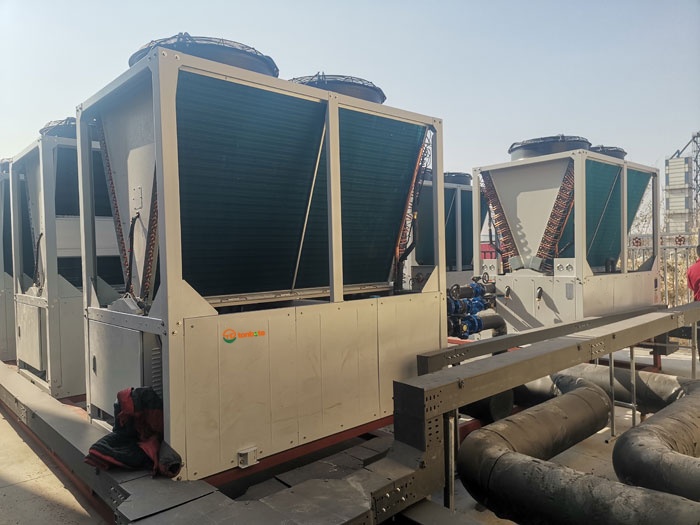
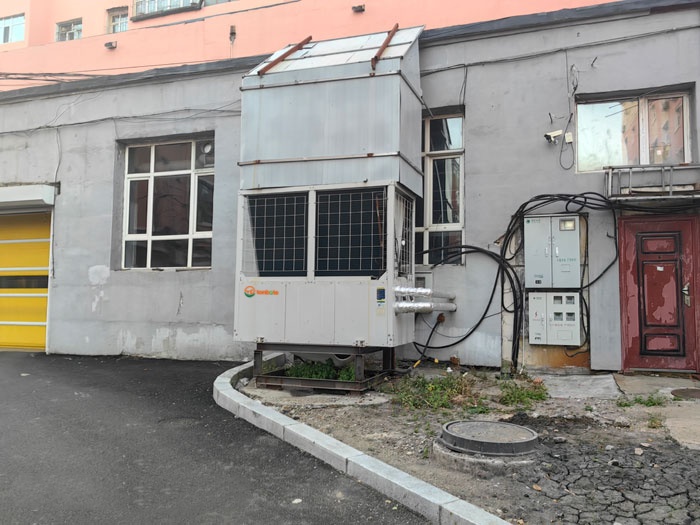
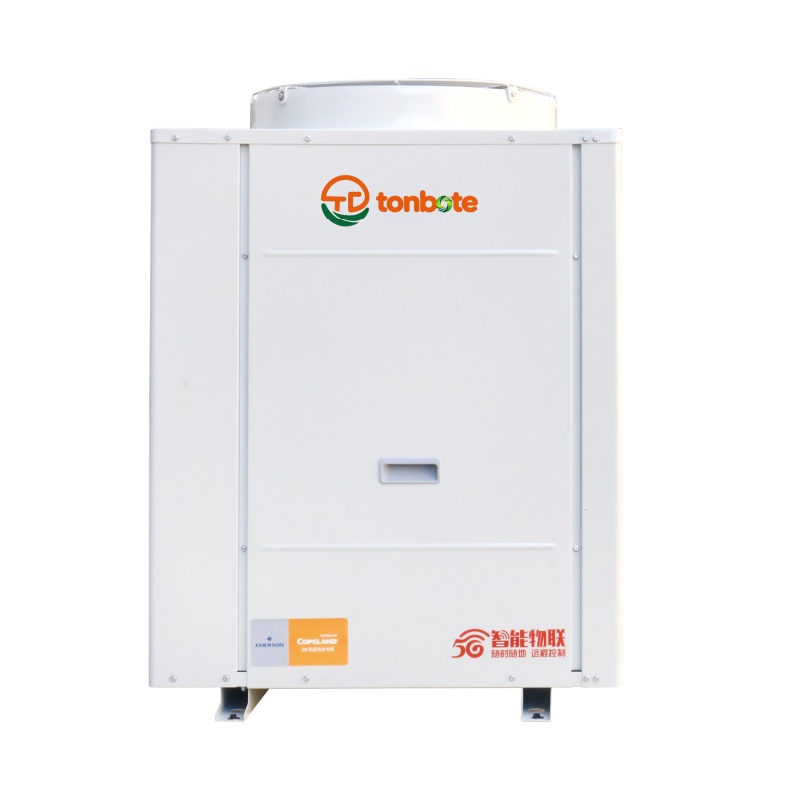
Compared with traditional air-source or ground-source heat pumps, the dual-source heat pump system can simultaneously utilize two heat sources (such as air and water), intelligently switch or operate collaboratively based on environmental conditions, thereby significantly enhancing the system's stability and energy efficiency performance.

In low-temperature environments, traditional air-source heat pumps often encounter problems such as reduced efficiency or frosting. 

However, dual-source heat pumps can significantly enhance system operation efficiency and reliability by introducing a secondary heat source for supplementation. Additionally, when the climate is mild or the load is low, the system can prioritize the use of the less costly heat source to achieve better overall energy efficiency.

Industry experts have stated that dual-source heat pumps have significant advantages in terms of annual operation efficiency, energy-saving levels, and system stability. 

They are particularly suitable for applications such as large public buildings, commercial complexes, industrial parks, and regional centralized heating.

Technological upgrades drive the industry towards efficiency and low carbon

With the continuous improvement of intelligent control, variable frequency technology and system integration capabilities, the application scope of dual-source heat pump systems is constantly expanding. 

From traditional building heating to industrial waste heat utilization, district energy systems and multi-energy complementary energy networks, dual-source heat pumps are becoming an important technical node connecting various energy forms.

Driven by the "dual carbon" goal, more and more enterprises and research institutions have begun to increase their investment in the research and application of dual-source heat pump technology. 

Through system optimization and large-scale promotion, they aim to further reduce operating costs and enhance energy conservation and emission reduction effects.

Industry insiders point out that in the future, as the cleanliness of the power system continues to improve, heat pump technology will play a more crucial role in the fields of building and industrial thermal energy. 

And dual-source heat pumps, as an efficient and flexible solution, are expected to become one of the important infrastructures in the energy transition.

Towards a New Era of Green Energy

Currently, the energy transition is at a critical stage. From policy-driven initiatives to technological breakthroughs, and to the continuous growth of market demand, clean heating technologies are entering a period of rapid development. 

Dual-source heat pumps, with their advantages of high efficiency, stability, and low carbon emissions, provide a practical solution to the problems of high energy consumption and high emissions.

It can be foreseen that in the future green energy system construction, the dual-source heat pump technology will continue to demonstrate its potential and provide new impetus for achieving energy conservation and emission reduction goals and promoting sustainable development.


Related News
Leave me a message
X
We use cookies to offer you a better browsing experience, analyze site traffic and personalize content. By using this site, you agree to our use of cookies. Privacy Policy
Reject Accept