News

The European summer has witnessed persistent extreme high temperatures. How can the temperature be controlled in a 24-hour production workshop?

2026-07-17 0 Leave me a message

In the face of high-temperature challenges, how can enterprises achieve scientific temperature control and stable production?

Why are 24-hour production workshops more susceptible to high temperatures?

The equipment keeps running continuously, coupled with the high outdoor temperature, resulting in a continuous accumulation of heat load in the workshop.

In the continuous production workshop, a large number of production equipment, motors, and automated production lines continuously release heat during operation. When the high temperature from outside continuously enters the workshop, the heat inside the workshop is difficult to be discharged in time, and the temperature keeps rising.

Long-term exposure to high temperatures may lead to:

The employees' fatigue has increased, and their work efficiency has declined;

The precision equipment has been affected in its stable operation due to overheating;

The processing accuracy of the products has been affected by temperature fluctuations;

The air conditioners have been operating at full load for a long time, resulting in continuous increase in electricity bills.

Therefore, continuous production enterprises have set higher requirements for industrial refrigeration systems.

Why are traditional commercial air conditioners unable to meet the demands of industrial workshops?

The industrial environment has a high heat load, and ordinary air conditioners often cannot operate stably for a long time.

Ordinary commercial air conditioners are mainly designed for office environments. When facing industrial conditions such as high temperatures, high dust, high humidity, and continuous operation, they are prone to problems such as reduced cooling efficiency, uneven air distribution, and excessive equipment load.

Furthermore, the large-scale overall temperature drop is also likely to lead to energy waste and increase the operational costs for enterprises.

What improvements can industrial air conditioning bring?

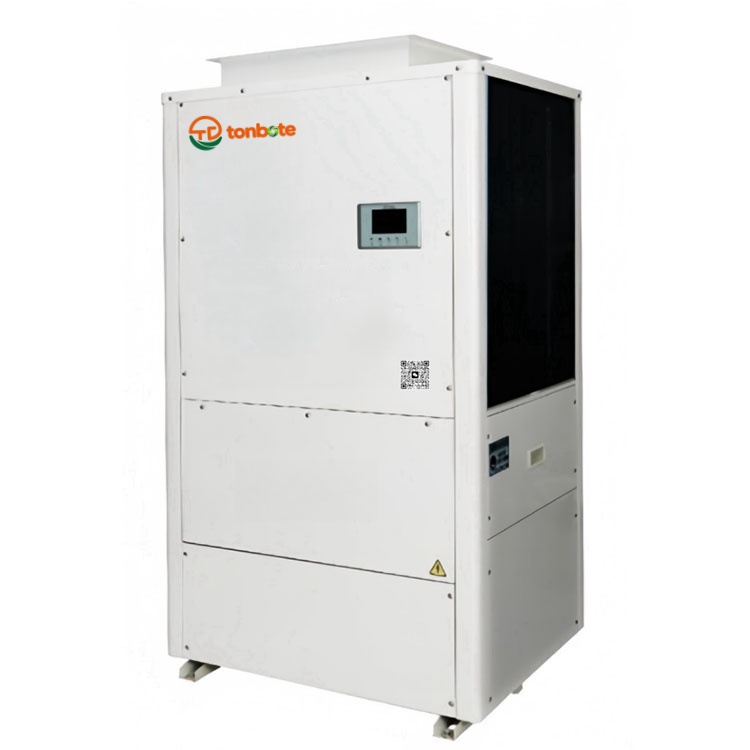
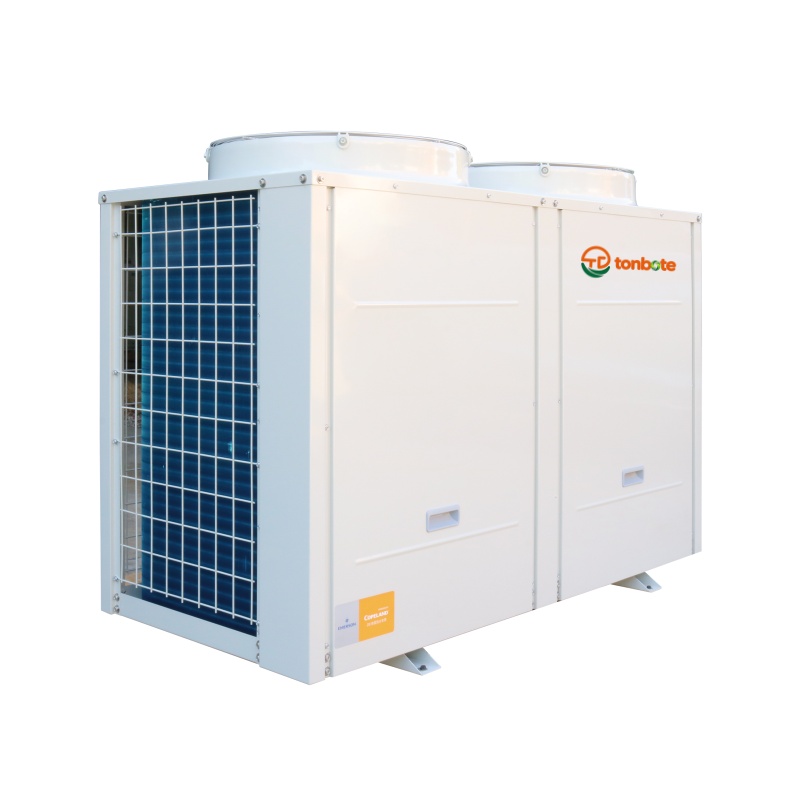
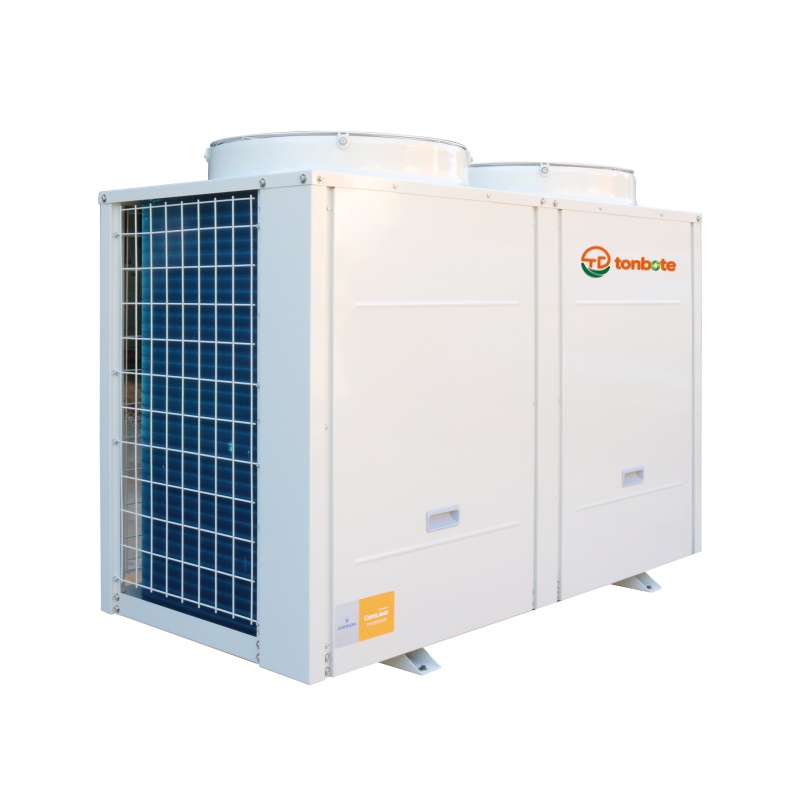
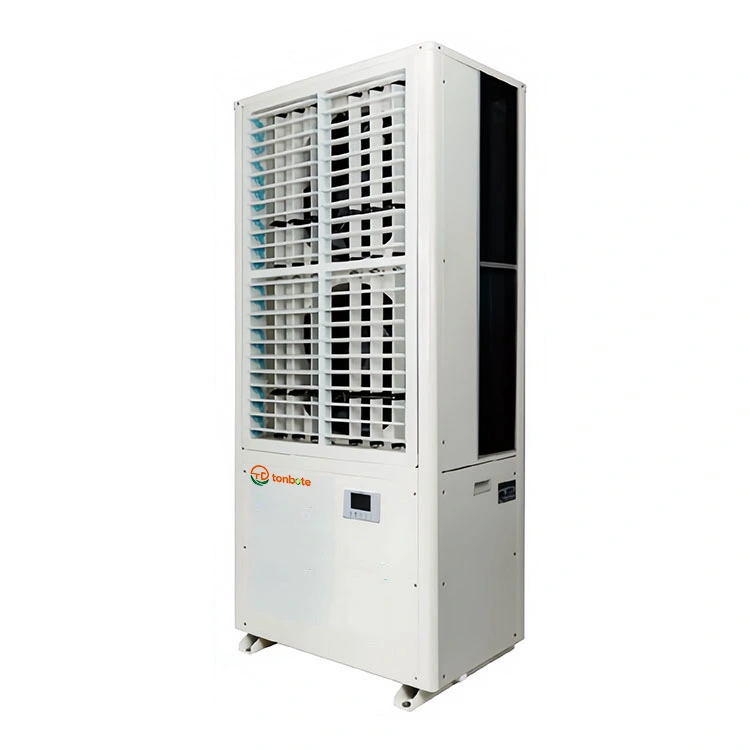
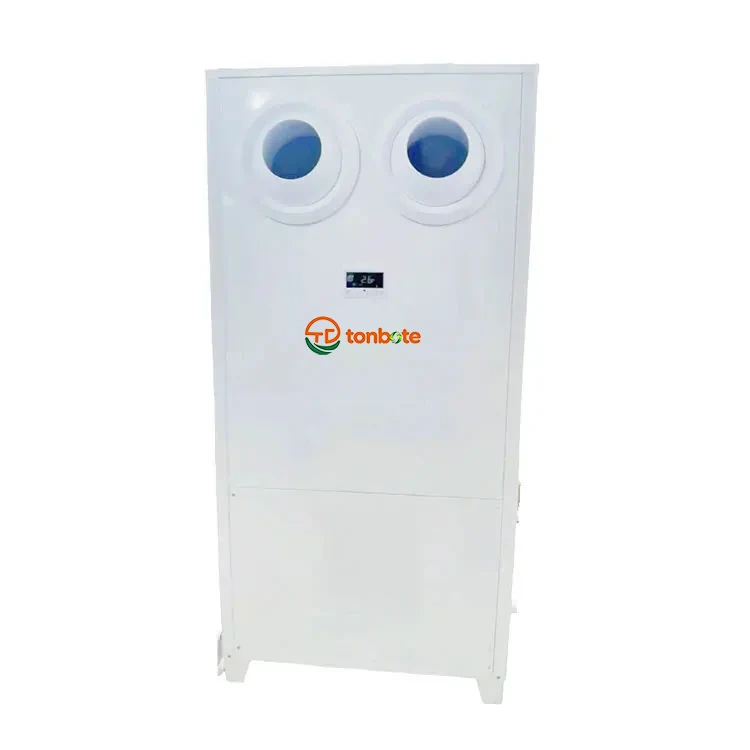
Designed for industrial environments, it achieves continuous, efficient and stable cooling.

Industrial air conditioning can provide more professional cooling solutions based on the actual working conditions of the workshop, and it has the following advantages:

High-volume air supply, rapidly reducing the temperature in high-temperature areas;

Continuous and stable operation, meeting the 24-hour production requirements;

Precise temperature control, improving the environment at key workstations and around equipment;

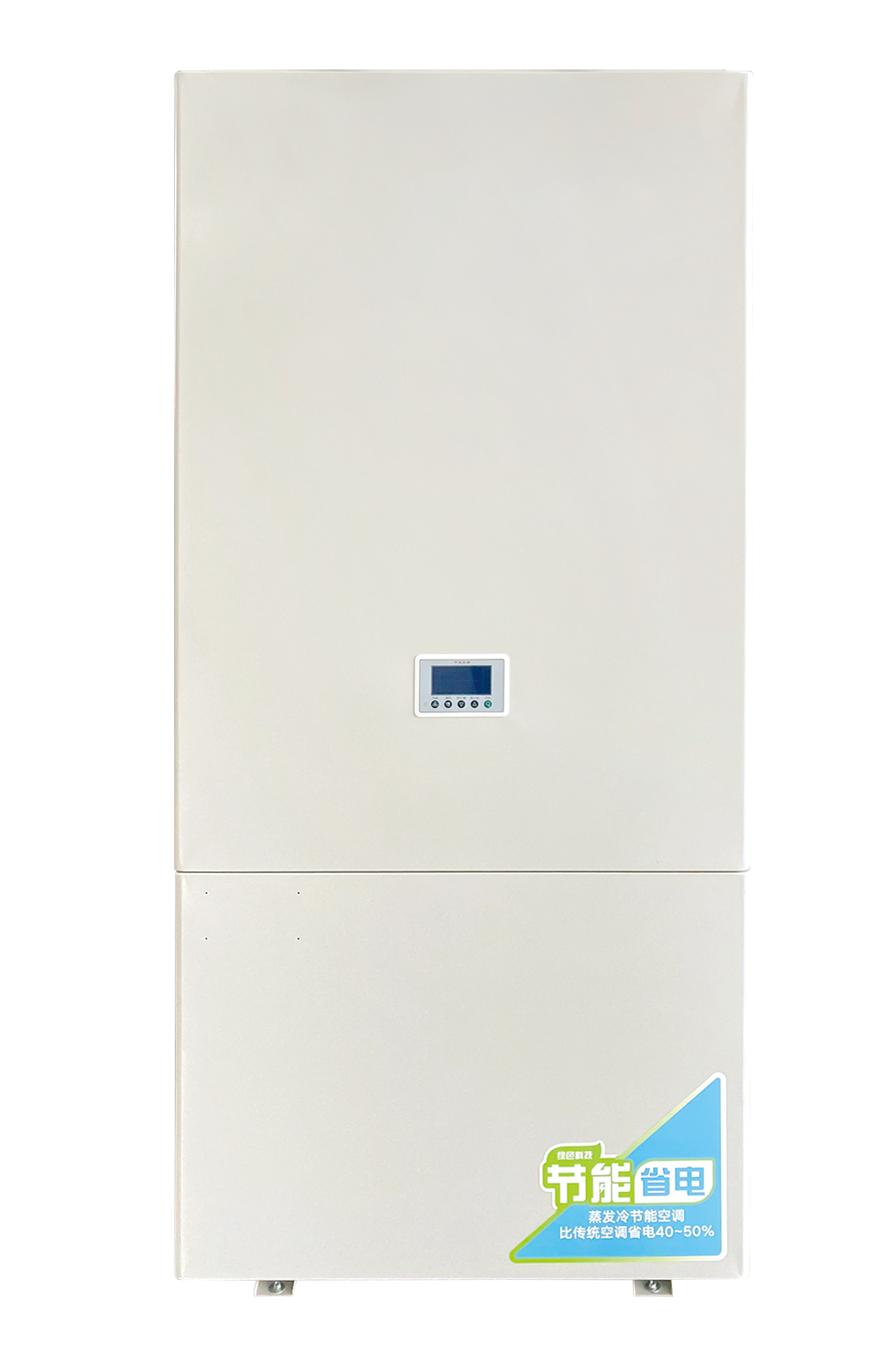
Energy-saving operation, reducing energy consumption caused by ineffective cooling;

Adapting to complex industrial environments, meeting the long-term usage needs of manufacturing workshops.

By scientifically configuring industrial air conditioning, enterprises can balance production efficiency, equipment stability and energy management.

Which industries require industrial air conditioning more?

Any industry that involves continuous production and has a high heat load is suitable for installing industrial air conditioning.

For example:


Automobile and component manufacturing;

Electronic and electrical production;

Food processing enterprises;

Pharmaceutical manufacturing workshops;

Metal and mechanical processing;

Plastic injection molding industry;

Warehousing and logistics centers;

New energy and lithium battery manufacturing enterprises.

These industries usually require a stable production environment throughout the year and have high demands for temperature control in the workshops.

How can future enterprises balance cooling and energy conservation?

Choose high-efficiency industrial air conditioners to create an intelligent and energy-saving production environment.

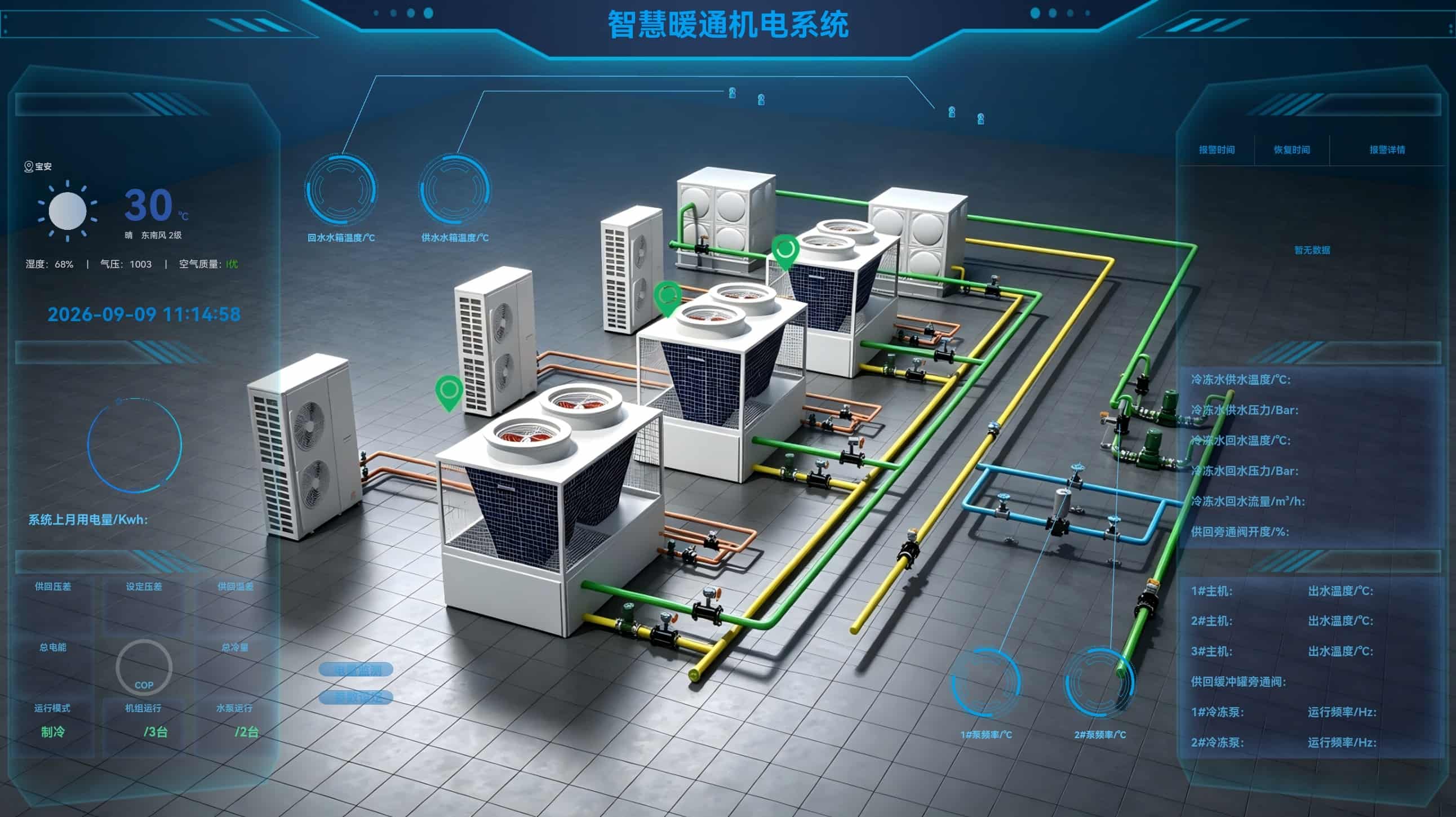
With global climate change and rising energy costs, enterprises not only need to address the issue of high temperatures, but also need to pay attention to long-term operating costs. Modern industrial air conditioning optimizes cooling efficiency, regulates air supply rationally, and implements intelligent control. It can be flexibly adjusted according to different regions and different production loads, reducing energy waste and achieving more efficient temperature management.

For the construction of new factories or the upgrading of old workshops, planning the industrial air conditioning system in advance is not only beneficial for enhancing the comfort of employees and the stability of equipment, but also helps to reduce maintenance costs and improve the overall competitiveness of the enterprise.

Conclusion


The continuous high temperatures in Europe once again reminds manufacturing enterprises that a stable production environment has become an essential foundation for ensuring quality and efficiency. For workshops that operate 24 hours a day, scientifically configuring industrial air conditioning not only effectively addresses the challenge of high temperatures but also helps to save energy, ensure equipment operation, and improve the working environment for employees.

In the future, industrial air conditioning will continue to evolve towards higher efficiency, intelligence and energy conservation, creating a more stable, secure and green production environment for manufacturing enterprises, and helping them achieve cost reduction, efficiency improvement and sustainable development.


Related News
Leave me a message
X
We use cookies to offer you a better browsing experience, analyze site traffic and personalize content. By using this site, you agree to our use of cookies.Privacy Policy
RejectAccept