News

In the hot and humid outdoor conditions, how can we efficiently cool down factories, hotel rooms, and other indoor spaces with large enclosed areas?

2026-08-14 0 Leave me a message

What are the core pain points for cooling down factories and hotel guest rooms in hot weather?

The causes of the hot and humid conditions in industrial factories and hotel guest rooms are different during the summer heat period, but the pain points for cooling are highly concentrated. In industrial factory scenarios, most factories are steel structures with extremely strong heat absorption properties. After being exposed to the sun all day, the indoor heat accumulates severely. Coupled with the continuous heat dissipation of equipment, dense personnel, spacious areas, and poor ventilation through doors and windows, it is easy to form a "steaming oven" type of hot environment. Traditional cooling methods can only accelerate air circulation but cannot lower the actual temperature. Long-term high temperatures not only cause workers to suffer from heatstroke and mental fatigue, significantly reducing production efficiency, but also may affect the stability of precision equipment operation, posing potential safety hazards.

The hot and humid problem in hotel guest rooms is mainly concentrated in top-floor rooms, rooms facing direct sunlight, and rooms with poor ventilation. Fixed central air conditioners have problems such as delayed cooling, uneven temperature, and high energy consumption. Some old hotels have aged air conditioning equipment, significantly reducing the cooling effect. At the same time, hotel guest rooms have variable passenger flow, and turning on the air conditioning throughout the area causes a lot of energy waste. The local hot problem cannot be precisely solved, directly lowering the satisfaction of guests and affecting the reputation and repeat booking rate of hotels.

Why can't traditional cooling equipment solve the high-temperature problems in factories and hotels?

The common traditional cooling equipment currently on the market all have obvious scene shortcomings and cannot adapt to the cooling needs of these two types of venues. Firstly, ordinary industrial fans and cold fans can only achieve air circulation but cannot reduce the environmental temperature from the root cause. In hot weather, the air blown out is hot, and the cooling effect is minimal, and the humidity is high, which can easily cause equipment in the factory to get damp and make guests feel sticky and uncomfortable.

Secondly, fixed central air conditioners are designed for large-space scenarios in factories. The installation cost is high, the construction period is long, and overall ceiling renovation is required, which is not suitable for leased factories or temporary production workshops. Moreover, turning on the air conditioning throughout the area has extremely high energy consumption, with some areas being hot and others being cool, resulting in insufficient cooling accuracy. For hotel scenarios, fixed air conditioners cannot flexibly adapt to the hot problems in single guest rooms. The aging equipment and accumulated dust in the pipelines can lead to poor cooling, and the air blowing out may have an unpleasant smell. The maintenance cost is also very high. In addition, wall-mounted and standing fixed air conditioners cannot be moved and cannot be flexibly adjusted according to the needs of workstations or guest rooms, resulting in extremely poor scene adaptability.

Where does the core cooling advantage of mobile air conditioners lie compared to traditional equipment?

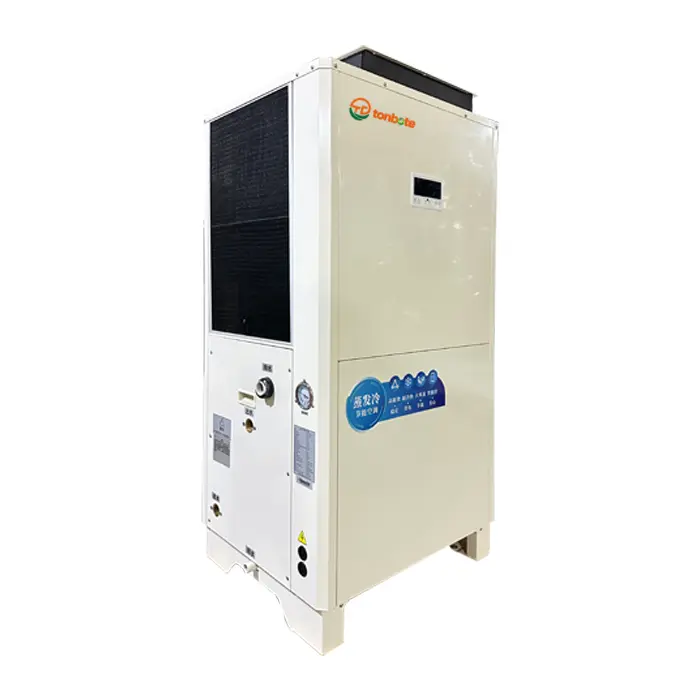
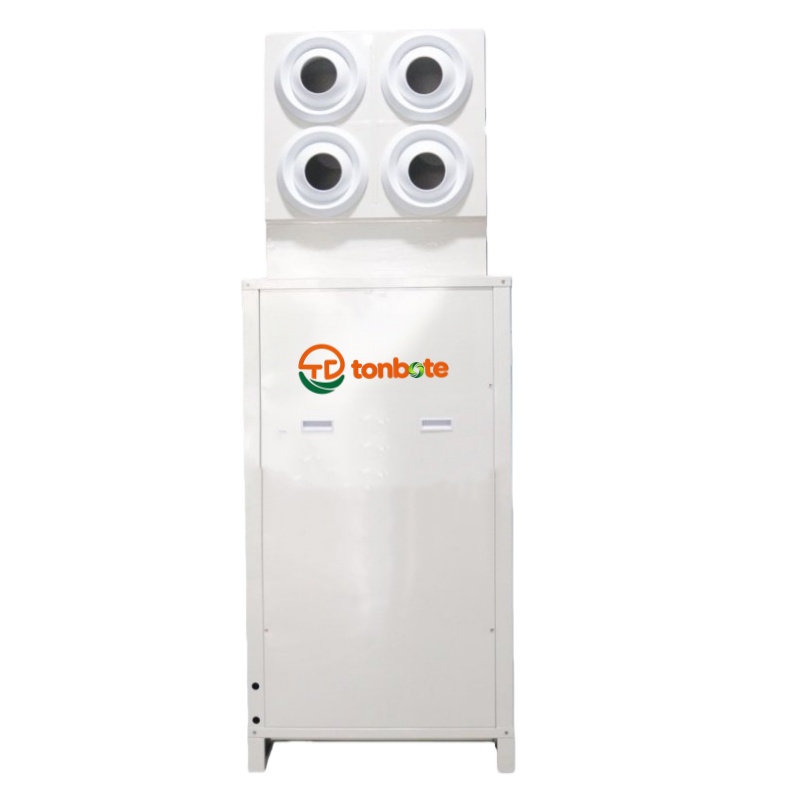
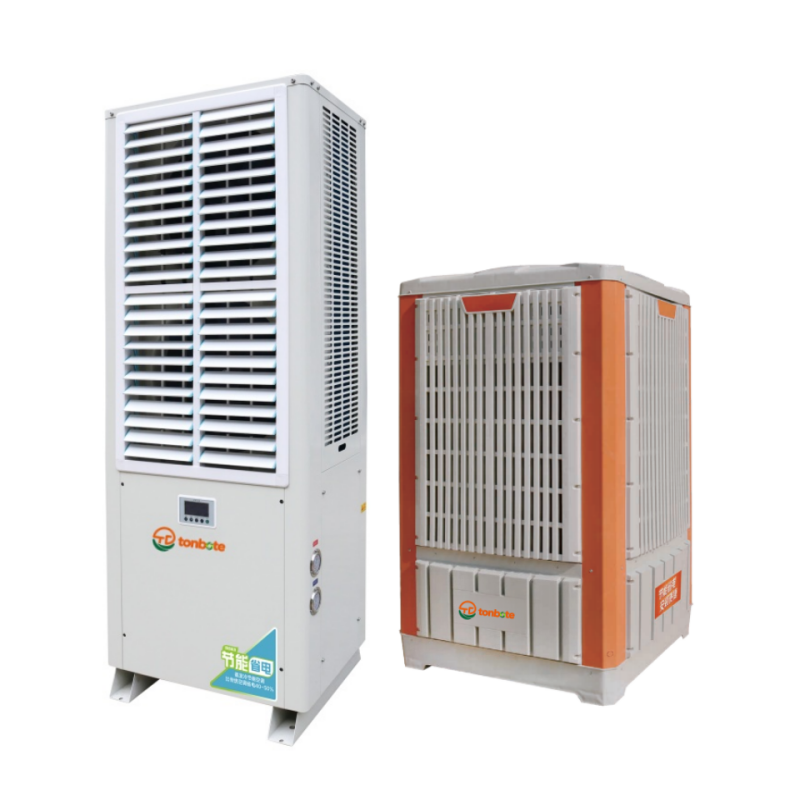
As specialized equipment for addressing large spaces, local high temperatures, and temporary cooling needs, mobile air conditioners have four core advantages: no installation required, rapid cooling, precise temperature control, and energy efficiency. They perfectly adapt to both factory and hotel scenarios and have become the preferred choice for efficient cooling this summer.

First, no installation required, rapid cooling. Mobile air conditioners adopt an integrated whole-unit design, without an external unit, no drilling, no pipeline renovation, and can be connected to the power supply to start cooling immediately. It can output low-temperature cold air within a few minutes after startup, quickly dispersing the heat and completely avoiding the cumbersome installation and renovation process of traditional air conditioners, suitable for temporary cooling and emergency cooling scenarios.

Second, targeted air delivery, precise temperature control. Different from the all-area cooling mode of central air conditioners, mobile air conditioners support targeted cold air delivery. They can cool specific areas such as high-temperature workstations in factories, equipment cooling zones, or hot single rooms in hotels. Without the need for all-area cooling, they precisely solve local high-temperature pain points and eliminate resource waste. The equipment is equipped with a large-volume air supply system, with an extremely long air delivery distance and uniform cold air coverage. It says goodbye to the problem of uneven temperature distribution.

Thirdly, it is highly mobile and has wide adaptability. The body is equipped with silent, adjustable wheels, allowing for free movement. The factory can adjust with the production line, and the workstation can be flexibly moved as needed. Hotels can use it based on the occupancy of guest rooms and the rotation of sun-exposed rooms. One device can be adapted to multiple cooling points, making it highly practical. At the same time, the equipment adopts an industrial-grade body design, resistant to dust and oil stains, and can adapt to harsh working conditions in factories. The silent operation mode is also suitable for quiet hotel occupancy scenarios.

Fourthly, it is energy-efficient and low-consumption, with high cost-effectiveness. It is equipped with an efficient compressor core for refrigeration, using pure physical compression refrigeration without adding water or ice. The refrigeration effect is stable and long-lasting, and it can continue to provide strong cooling even in high-temperature environments. Compared to the full-on operation of central air conditioning, the mobile air conditioner is activated on demand and provides local cooling, significantly reducing energy consumption. Long-term use can significantly reduce the cooling operation costs for enterprises and hotels.

What are the specific application scenarios of the mobile air conditioner in factory and hotel settings?

In industrial factory settings, it can be widely applied in steel structure production workshops, assembly line workstations, equipment operation areas, warehouse sorting areas, and temporary operation areas in high-temperature areas, solving the problem of workers' hot work and equipment's high-temperature shutdown, improving the working environment in the workshop, ensuring safe production, and enhancing production efficiency. It is also suitable for scenarios such as factory equipment maintenance, temporary rush work, and emergency cooling due to air conditioning failures.

In hotel settings, it can specifically address the hot and dry problems of top-floor guest rooms, guest rooms exposed to the sun, and guest rooms without fresh air. It can be used as a fixed air conditioner auxiliary cooling device or used independently. For situations where the hotel experiences a sudden increase in peak passenger flow and some rooms have insufficient cooling, it can flexibly supplement cooling and quickly optimize the guest room's perceived temperature, enhancing the guest experience. It is also suitable for local cooling needs in public areas such as hotel lobbies, front desks, and temporary rest areas.

How practical and cost-effective is the mobile air conditioner in long-term use during the hot season?

During the continuous hot summer, the mobile air conditioner is a low-cost, high-efficiency cooling solution for factories and hotels. Its comprehensive cost-effectiveness far exceeds traditional cooling equipment. For enterprise factories, there is no need for a large investment in central air conditioning renovation costs, and there is no need to bear high long-term energy consumption. On-demand cooling and flexible reuse can ensure the rights of employees to prevent heatstroke and improve the working environment, while also reducing enterprise operating costs and avoiding the risk of heat-induced shutdowns.

For the hotel industry, the mobile air conditioner can quickly make up for the shortcomings of fixed air conditioners, avoid large-scale renovation of old equipment, solve the problem of hot rooms, and improve the comfort of guests' stay. It can be used for long-term circulation, featuring cooling, silent operation, energy saving, and easy maintenance. There are almost no additional maintenance costs in the future. It is a high-quality assistance for hotels to improve service quality and differentiate in competition.

The hot summer is still ongoing. Facing the cooling problems of hot factories and hot guest rooms, abandon the inefficient, high-consumption, and rigid traditional cooling methods. The mobile air conditioner, with its flexible, efficient, precise cooling, energy-saving, and convenient core advantages, precisely adapts to the cooling needs of multiple industrial and commercial scenarios, becoming a must-have cooling tool for all industries to cope with the hot summer this year, safeguarding safe production and comfortable accommodation.

Related News
Leave me a message
X
We use cookies to offer you a better browsing experience, analyze site traffic and personalize content. By using this site, you agree to our use of cookies.Privacy Policy
RejectAccept