
News

The Two Sessions set the tone for green development, and the upper air of the dual-source heat pump station

2026-03-17 0 Leave me a message

Among the series of policy signals released during this year's National Two Sessions, "green and low-carbon development" has once again been given a prominent position. 

Focusing on the "dual carbon" goal, energy conservation and consumption reduction, clean energy supply, and optimization of the energy structure have become key directions. 

Under the dual impetus of policies and the market, the dual-source heat pump, a technology path that combines high efficiency and low-carbon advantages, is accelerating its way to the industrial frontier.


The policy orientation is clear, and clean energy supply is ushering in new opportunities

During the Two Sessions, a number of issues related to energy transition and green development received widespread attention. 

From promoting energy conservation renovations in traditional industries, to accelerating the construction of clean heating systems, and to encouraging the efficient utilization of renewable energy, a series of policy orientations have provided a broad space for the development of new energy supply technologies. 

Dual-source heat pumps, with their ability to flexibly couple multiple heat sources and significantly reduce energy consumption and emissions, are highly in line with the policy direction and are entering a development window period.

Technical advantages stand out, addressing industry pain points

In practical applications, traditional heating and cooling systems often suffer from issues such as unstable energy efficiency and high carbon emissions. 

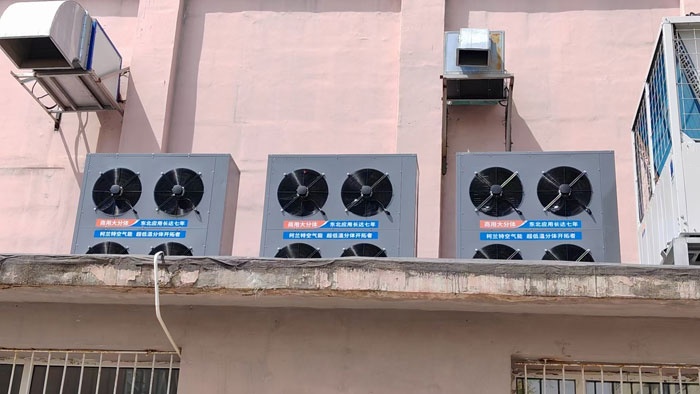
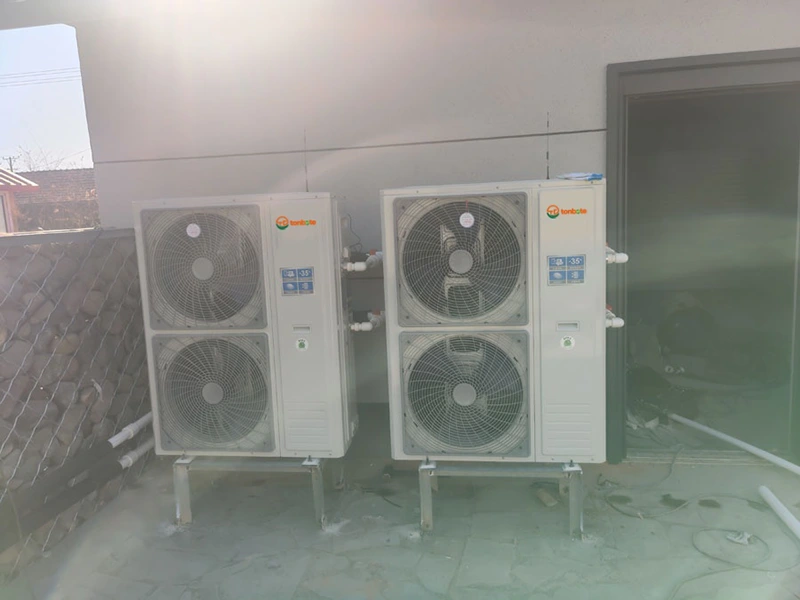
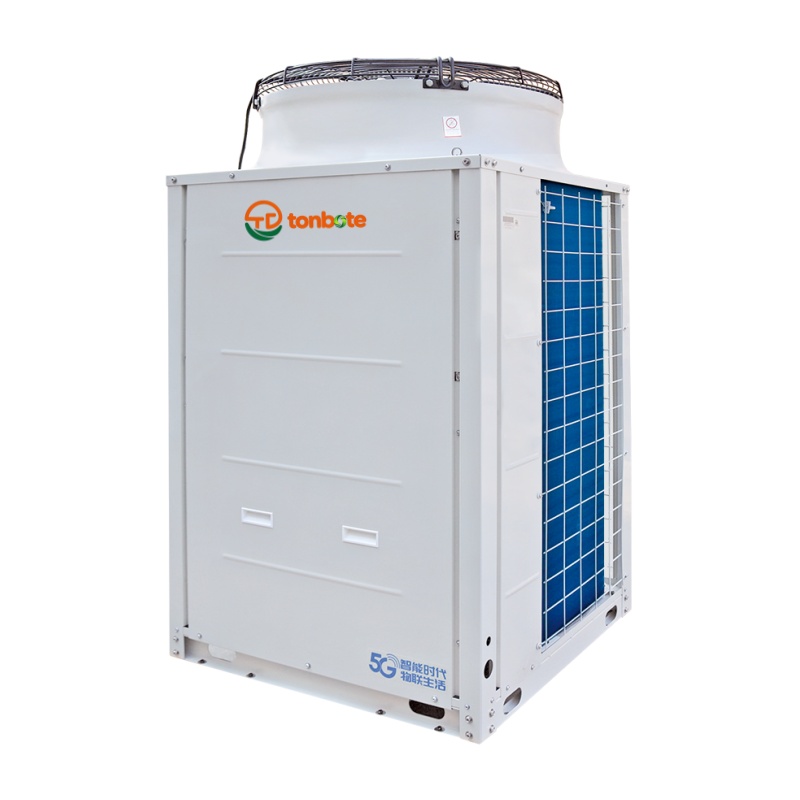
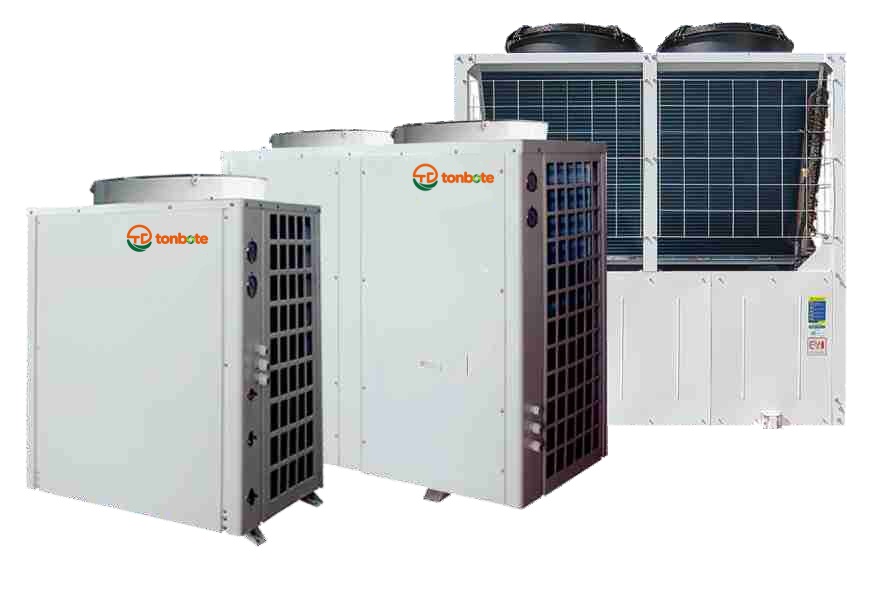
The dual-source heat pump integrates air source and water source to achieve multi-source coordinated operation. 

It can intelligently adjust the operating mode according to changes in the external environment and load, ensuring that the system always operates within an efficient range. 

This technology not only significantly reduces operating energy consumption but also effectively reduces reliance on fossil fuels, thereby alleviating the high emission pressure at its source.

Wide-scale implementation in various scenarios, with continuous release of market demand

With the advancement of green buildings, industrial energy-saving renovations, and regional energy system upgrades, the application scenarios of dual-source heat pumps are continuously expanding. 

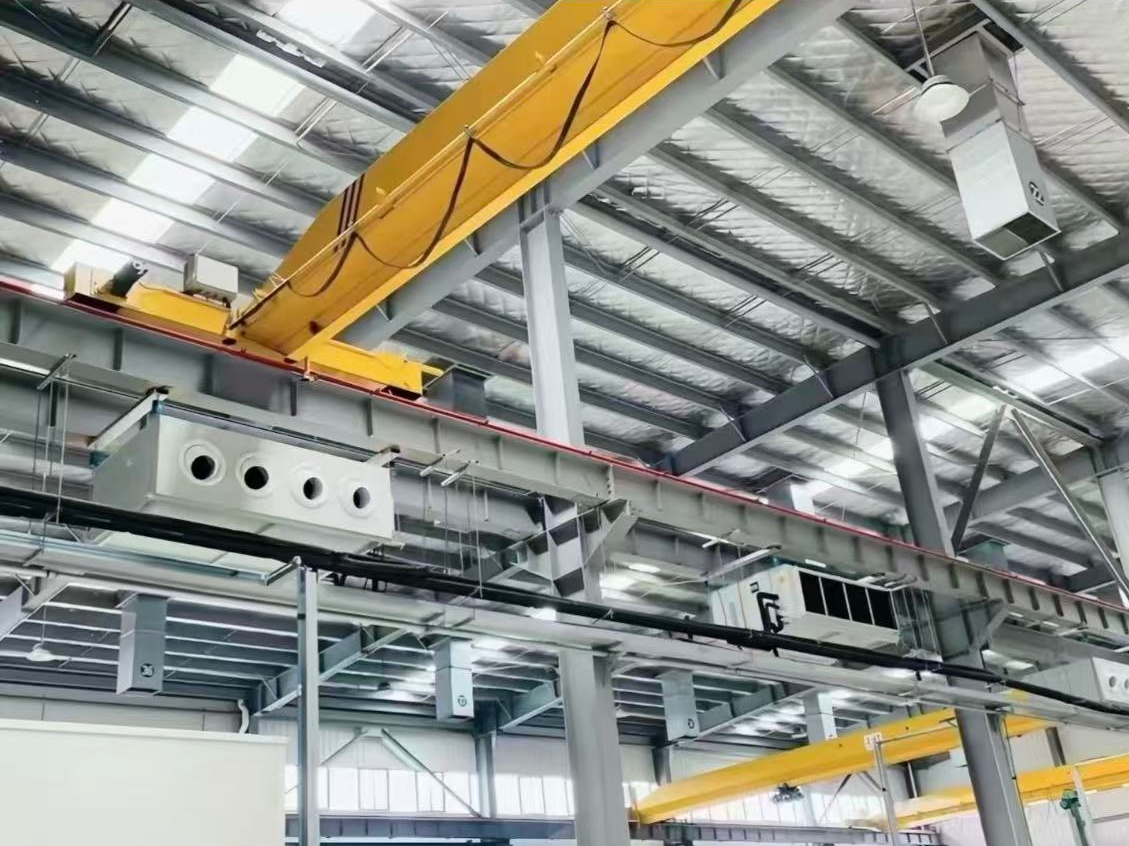
In the field of clean heating in northern regions, it can effectively address the problem of reduced air source efficiency in low-temperature environments; in the industrial sector, by recycling and utilizing low-grade waste heat, energy can be recycled; in data centers and commercial complexes, it takes into account both cooling and heating needs, thereby enhancing the overall energy utilization efficiency. 

Diversified applications are accelerating the expansion of the market scale.

The coordinated development of the industrial chain promotes large-scale application.

Currently, the upstream and downstream industrial chains related to dual-source heat pumps are accelerating their development. 

From core equipment manufacturing to system integration, and then to operation and maintenance services, all links are developing collaboratively, which helps enhance the overall solution capabilities. 

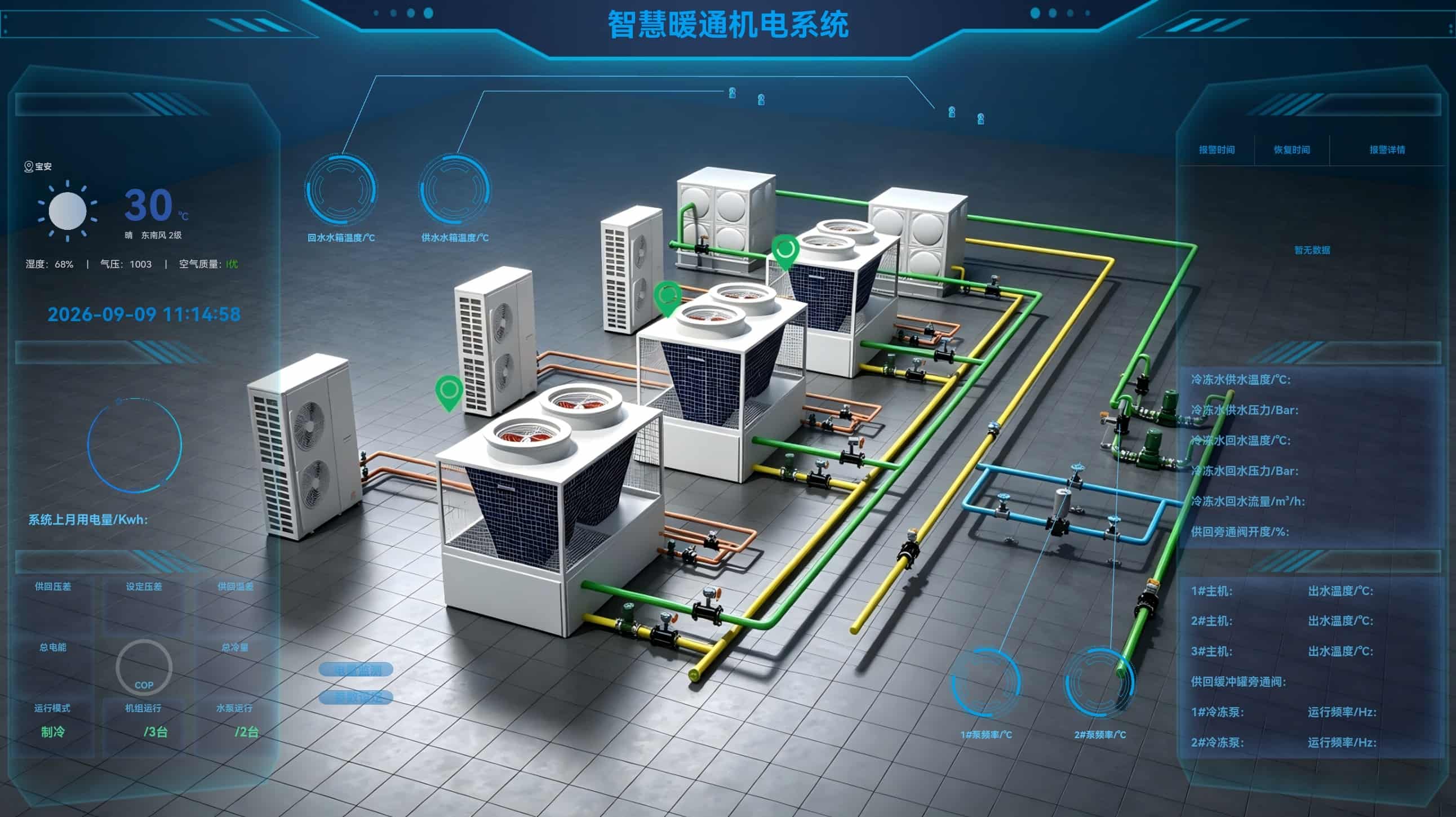
At the same time, the introduction of digital and intelligent technologies has provided new possibilities for system operation optimization, further releasing energy-saving potential.


The Two Sessions have once again set the tone for green development, and the pace of energy transition is continuously accelerating. Against this backdrop of the times, dual-source heat pumps, with their advantages of high efficiency, low carbon emissions, and flexible adaptability, are gradually moving from technical options to mainstream paths. It can be foreseen that with the continuous strengthening of policy support and the continuous release of market demand, dual-source heat pumps will occupy a more important position in the future energy system and become a key force driving green and low-carbon development.

Related News
Leave me a message
X
We use cookies to offer you a better browsing experience, analyze site traffic and personalize content. By using this site, you agree to our use of cookies. Privacy Policy
Reject Accept