News

How Can Factories and Hotels Stay Cool During Extreme Heat Without Major Renovations?

2026-08-19 0 Leave me a message

As extreme summer temperatures continue to increase cooling demand, factories, workshops, warehouses, hotels, and commercial facilities are facing growing challenges in maintaining a comfortable indoor environment. However, installing or upgrading a centralized HVAC system often requires extensive construction, complicated ductwork, high investment, and potential disruption to daily operations.

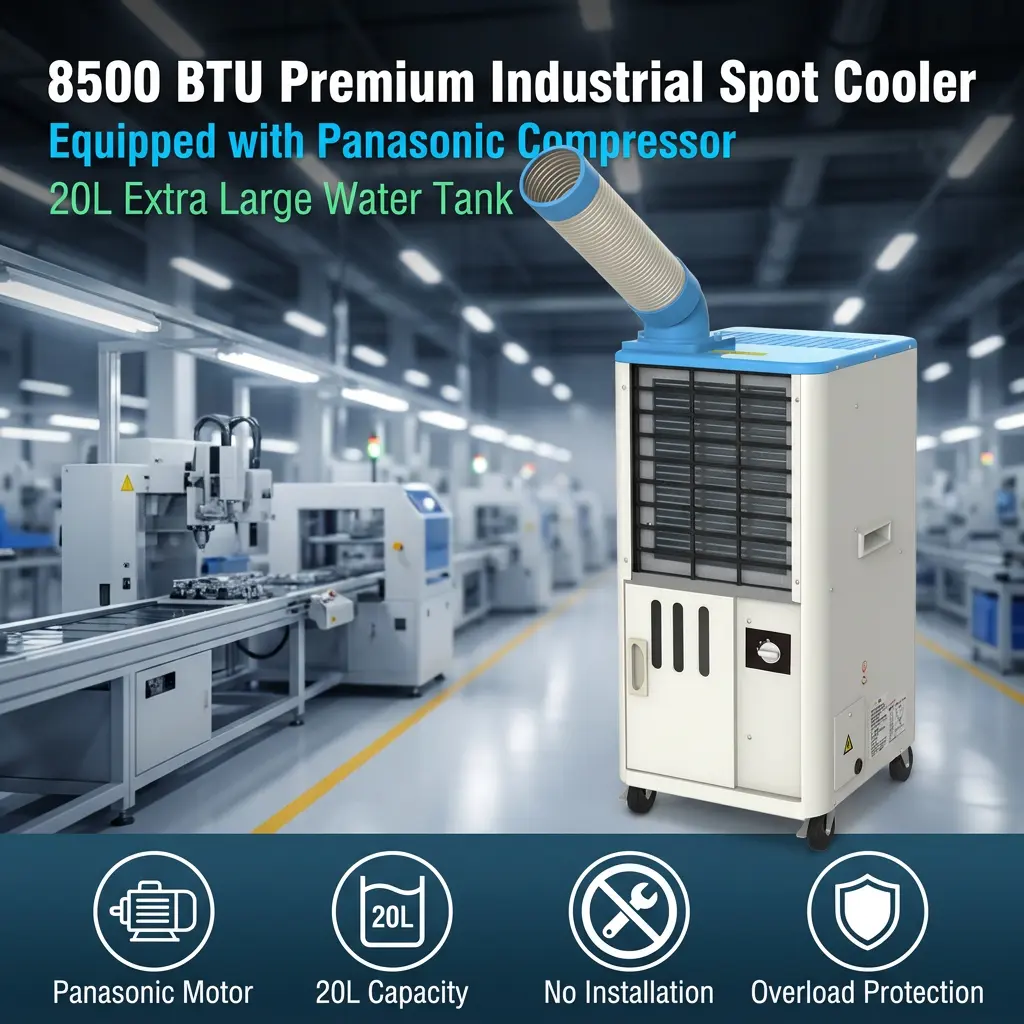
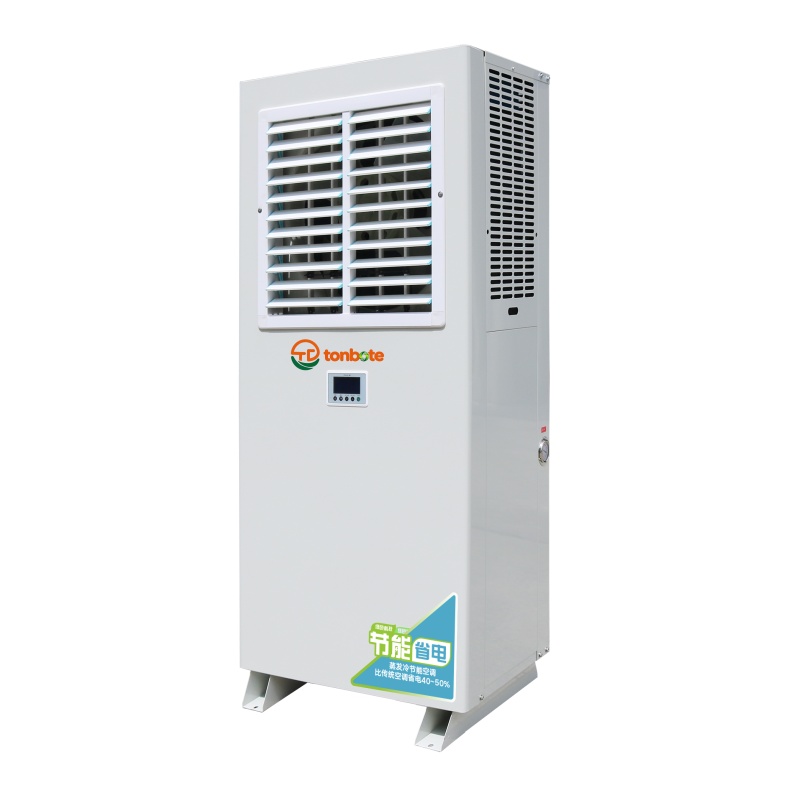
So, what cooling solution can businesses choose when they need fast and flexible cooling without major renovations? A portable air conditioner is becoming an increasingly practical option for factories and hotels that need additional cooling capacity during the hot season.
Why do factories and hotels struggle with cooling during extreme summer heat?
High outdoor temperatures can significantly increase indoor heat loads. In factories, production equipment, machinery, lighting, and workers can generate substantial heat, making workshops and production areas difficult to cool.

Hotels face a different challenge. Guest rooms, meeting rooms, restaurants, lobbies, and other public areas may experience different cooling demands depending on occupancy and usage.

When an existing HVAC system cannot provide sufficient cooling to certain areas, businesses may need an additional and more flexible cooling solution.
What can businesses use if they do not want major HVAC renovations?
A portable AC unit can provide a flexible alternative.

Unlike traditional centralized air-conditioning systems that may require extensive ductwork, piping, electrical modifications, and installation, a portable AC unit can be deployed where cooling is actually needed.

For factories, the equipment can be moved to hot workstations, production lines, warehouses, or equipment areas. For hotels, it can provide additional cooling for selected guest rooms, meeting spaces, restaurants, and other areas.

This approach allows businesses to increase cooling capacity without completely redesigning their existing HVAC infrastructure.
Why is a portable air conditioning unit suitable for factories?
Factory environments often have large floor areas, high ceilings, concentrated equipment heat, and constantly changing production layouts.

Cooling the entire building at the same level may not always be necessary. Some production areas may require much more cooling than others.

A portable air conditioning unit allows businesses to focus cooling where it is most needed. Instead of cooling an entire facility unnecessarily, companies can provide targeted cooling to high-temperature workstations and production areas.

This makes portable cooling particularly useful for factories that need flexible temperature management during peak summer periods.
Can a portable air conditioner help hotels during the busy summer season?
Yes. Hotels often experience seasonal fluctuations in cooling demand.

During peak travel periods or extreme heat waves, certain rooms or facilities may require additional cooling. However, carrying out a major HVAC renovation during the busy season can be expensive and disruptive.

A portable air conditioner can be used as a supplementary cooling solution. Depending on the hotel's requirements, portable units can provide additional cooling for guest rooms, meeting rooms, restaurants, event spaces, and other areas.

This gives hotel operators another option for responding quickly to temporary or localized cooling demand.
Is a mobile air conditioner only suitable for temporary cooling?
Not necessarily.

A mobile air conditioner can serve both temporary and supplementary cooling requirements.

For factories, it can provide additional cooling when production capacity increases, new equipment is installed, or summer temperatures create unexpected heat problems.

For hotels and commercial facilities, a mobile air conditioner can provide additional cooling during peak seasons, special events, or periods when certain areas experience insufficient cooling.

Because the equipment can be relocated according to changing requirements, businesses can use the same cooling equipment in different areas and applications.
Does using a portable air conditioning unit require major building modifications?
One of the main advantages of a portable air conditioning unit is its flexibility.

A traditional centralized HVAC expansion may require new ducts, piping, electrical infrastructure, and professional installation. By contrast, portable cooling equipment is designed around flexible deployment.

For an existing factory or hotel that only needs additional cooling in specific areas, a portable air conditioning unit can help reduce the need for extensive construction.

The concept is simple: use the existing HVAC system for basic cooling and deploy portable units where additional cooling is required.
What should factories and hotels consider when selecting a portable AC unit?
Cooling capacity should be one of the first considerations.

Businesses should evaluate room size, heat load, number of occupants, equipment heat generation, indoor temperature, and operating conditions before selecting a portable AC unit.

Factories may also need to consider continuous operation, industrial working conditions, airflow requirements, and equipment heat.

Hotels should consider factors such as room size, occupancy, noise requirements, mobility, and the specific application area.

Choosing the right capacity and configuration is essential to achieving effective cooling performance.
What makes a portable air conditioner an alternative to major HVAC renovation?
The key advantages are flexibility, fast deployment, and targeted cooling.

If only certain areas of a factory or hotel require additional cooling, a complete HVAC renovation may not always be the most practical solution.

With a portable air conditioner, businesses can add cooling capacity according to actual demand. The equipment can be moved between different areas as operating conditions change.

This creates a practical combination of fixed and mobile cooling: the existing HVAC system handles basic cooling, while the portable air conditioner provides flexible supplemental cooling.
Conclusion
Extreme summer temperatures are creating new challenges for factories, hotels, warehouses, and commercial facilities. When businesses need additional cooling but do not want to undertake major HVAC renovations, flexible cooling equipment can provide a practical alternative.

A portable air conditioner can help businesses respond to localized and seasonal cooling requirements with greater flexibility. Whether it is a portable AC unit, portable air conditioning unit, or mobile air conditioner, the core value is the same: providing targeted cooling where and when it is needed.

For factories, workshops, warehouses, hotels, and commercial spaces, portable cooling solutions are becoming an increasingly valuable way to improve summer comfort while avoiding unnecessary large-scale HVAC modifications.

Related News
Leave me a message
X
We use cookies to offer you a better browsing experience, analyze site traffic and personalize content. By using this site, you agree to our use of cookies.Privacy Policy
RejectAccept