News

The carbon emission assessment is becoming stricter. How should the energy consumption of factory air conditioning be controlled?

2026-07-01 0 Leave me a message

What are the energy consumption problems existing in many factory air conditioning systems at present?

At present, many enterprises still have the following several prominent problems in air conditioning management:

1. Old equipment with low energy efficiency

Some traditional air conditioning equipment has been in operation for many years, and the efficiency of the compressor has decreased, resulting in a significant increase in energy consumption.

2. Long-term operation without intelligent adjustment

Some workshops adopt the "constant operation throughout the day" mode, unable to dynamically adjust according to personnel, temperature, and production needs.

3. Inappropriate temperature and humidity settings

Some enterprises, in pursuit of "absolute stability", set the temperature too low, resulting in a significant waste of energy.

4. Lack of energy monitoring system

It is difficult for enterprises to timely obtain data on the energy consumption of each area and accurately analyze and optimize.

5. Inadequate maintenance

Blockage of filters, accumulation of dust on condensers, and insufficient refrigerant can directly lead to a decrease in refrigeration efficiency.

How can enterprises effectively reduce the energy consumption of industrial air conditioning?

Enterprises can simultaneously promote various dimensions such as equipment upgrade, intelligent control, and energy management.

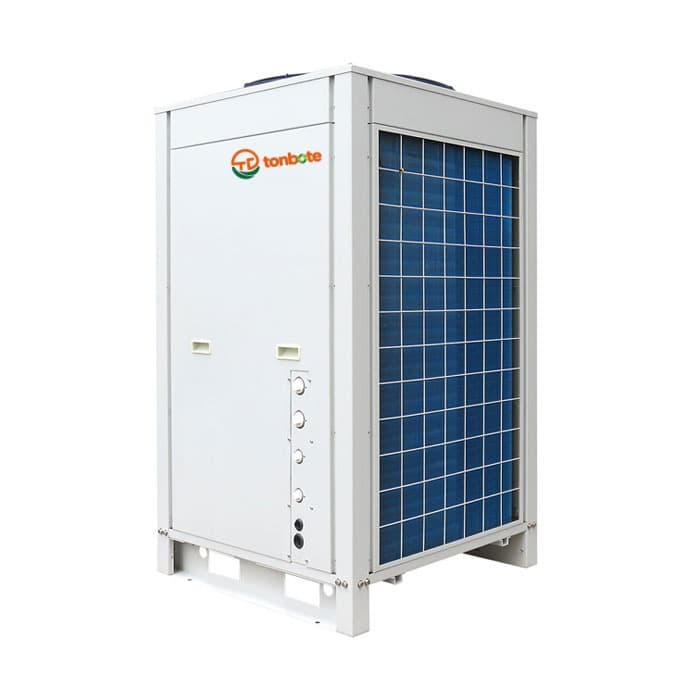
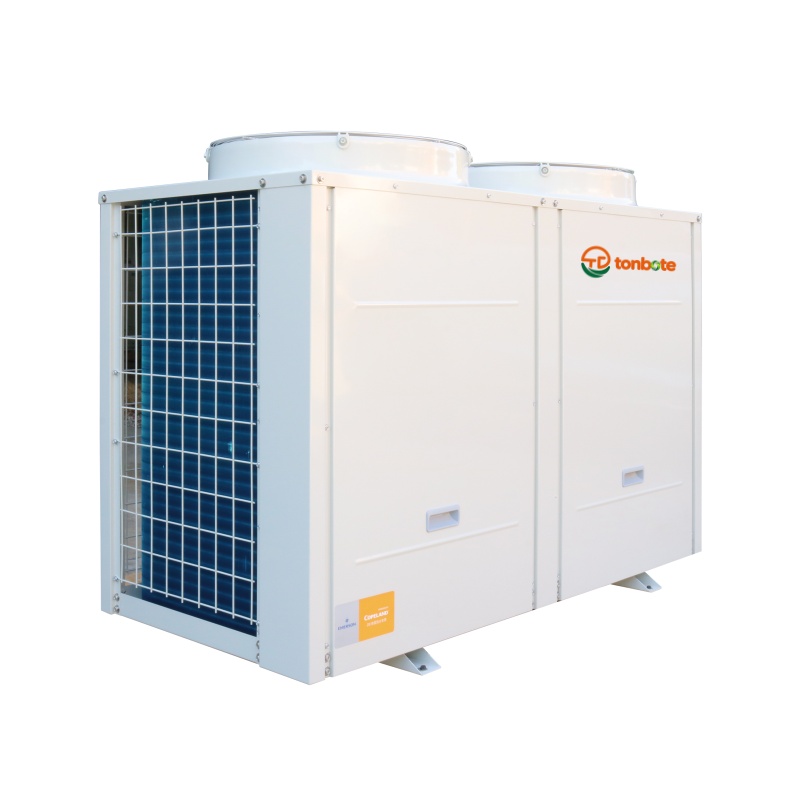
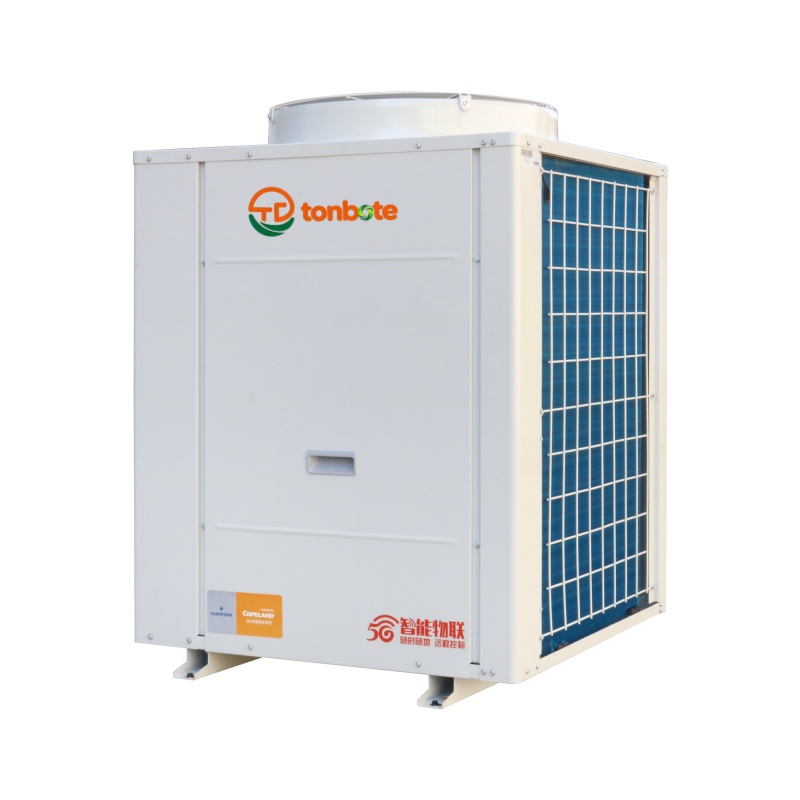
1. Upgrade efficient and energy-saving equipment

Using high-efficiency industrial air conditioners, variable frequency systems, and energy-saving chilled water units can significantly reduce operating power consumption. Compared with traditional fixed-frequency equipment, variable-frequency air conditioners can automatically adjust output according to load, avoiding energy waste caused by "overloading with underpowered equipment".

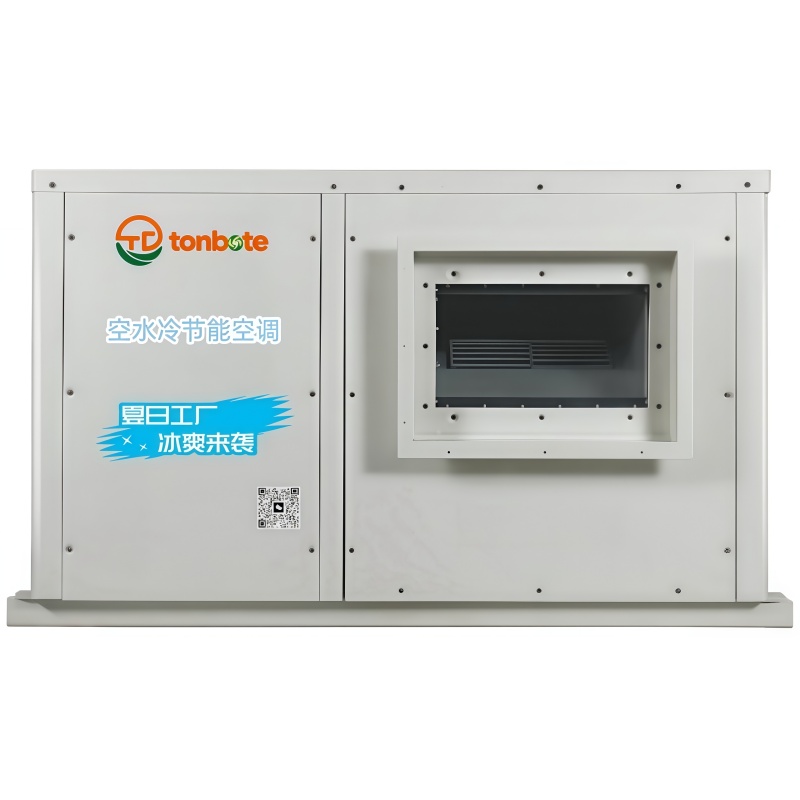
For high-temperature, high-dust, or special-conditioned workshops, customized industrial constant temperature and humidity systems can be selected to achieve more precise and stable energy-saving control.

2. Establish an intelligent control system

Through the Internet of Things and intelligent control platforms, enterprises can achieve:

 Regional temperature control management

 Automatic start and stop at different times

 Temperature and humidity linkage adjustment

 Real-time energy monitoring

 Abnormal warning and remote operation

Intelligent management not only reduces human error but also helps enterprises establish a more refined energy management system.

3. Optimize factory environmental design

Many enterprises overlook the impact of the building itself on air conditioning load. In fact, through the following measures, energy consumption can also be effectively reduced:

 Enhance the insulation and heat preservation performance of the factory building

 Optimize the layout of air supply and return air

 Reduce the flow of hot and cold air

 Utilize natural ventilation and heat recovery

 Reasonably plan the heat dissipation area of production equipment

Through systematic optimization, the operating pressure of air conditioning can be significantly reduced.

4. Establish an energy consumption assessment mechanism

Enterprises can incorporate air conditioning energy consumption into equipment management KPIs, establish monthly and quarterly energy consumption analysis systems, and optimize them in a dynamic manner in combination with production data.

At the same time, through the formation of a visualized report on the energy digital platform, it helps enterprises meet requirements such as green factories, ESG management, and carbon emission audits.

What are the actual benefits of industrial air conditioning energy-saving upgrades?

In addition to saving electricity costs, industrial air conditioning energy-saving upgrades can bring multiple value-added aspects:

 Reduce the pressure on carbon emission indicators of the enterprise

 Improve the success rate of green factory application

 Improve the workshop environment and product stability

 Extend the service life of equipment

 Improve the level of energy management intelligence

For high-energy-consuming manufacturing enterprises, energy conservation is not only a cost issue but also an important component of future market competitiveness.

What are the development trends of the industrial air conditioning industry in the future?

The future industrial air conditioning industry will develop towards "efficiency, intelligence, and low-carbonization". On one hand, technologies such as AI intelligent control, digital twins, and energy big data analysis will accelerate their application, enabling more precise energy-saving management. On the other hand, green refrigerants, efficient heat recovery, and new energy synergy systems will also drive the upgrading of industrial air conditioning towards a low-carbon model.

With the continuous implementation of the "carbon neutrality" policy, industrial air conditioning is no longer merely an environmental device; instead, it will become a key infrastructure in the green manufacturing system of enterprises. Conclusion

Under the backdrop of the dual-carbon goal and the trend of green manufacturing, energy conservation in industrial air conditioning has become an important means for enterprises to reduce costs and increase efficiency. Through equipment upgrades, intelligent control, and energy-efficient management, enterprises can not only lower operational costs but also enhance their green competitiveness and sustainable development capabilities.

In the future, whoever can be the first to complete the upgrade of energy management will gain the upper hand in the new round of green manufacturing competition.


Related News
Leave me a message
X
We use cookies to offer you a better browsing experience, analyze site traffic and personalize content. By using this site, you agree to our use of cookies.Privacy Policy
RejectAccept