News

Why do traditional industrial air conditioners eat into the profits of factories? -- Mobile industrial air conditioners are becoming a new choice for enterprises to reduce costs and increase efficiency.

2026-06-18 0 Leave me a message

As the summer heat continues to rise, more and more manufacturing enterprises are beginning to pay attention to the issue of cooling down their workshops. However, many enterprises, after investing a large amount of money in installing traditional industrial air conditioners, found that the cooling effect did not reach the expected level, and the operating costs continued to increase. So, why do traditional industrial air conditioners deplete the profits of factories? And how can enterprises break through the dual predicament of high temperature and high energy consumption?

Question: Why do traditional industrial air conditioners become a burden on enterprises in terms of costs?

Answer: Traditional industrial air conditioning usually adopts a whole-space cooling mode, requiring the entire factory building to be cooled. For industrial workshops with large areas, high ceilings, and high heat generation from equipment, the loss of cooling capacity is extremely serious.

Not only that, traditional air conditioners also require the installation of complex pipelines, outdoor units and related facilities, which involves high upfront costs and cannot be ignored in terms of long-term maintenance expenses. Especially during the peak production season, continuous high-load operation will lead to a significant increase in electricity bills, directly squeezing the profit margins of enterprises.

Question: Why do many factories that have installed air conditioners still feel hot?

Answer: Industrial buildings generally have the characteristics of large space, scattered personnel, and concentrated heat sources. Traditional air conditioning cools the entire space, but what really needs to be cooled are the work areas and areas where people are active.

A large amount of cold air circulates in the upper atmosphere, making it difficult for it to reach the employees' work positions precisely, resulting in the phenomenon of "high power consumption and poor effect". The enterprise spent a large amount of electricity, but failed to obtain the desired cooling experience.

Question: Are there any more energy-efficient and effective ways to cool down?

Answer: In recent years, mobile industrial air conditioners, with their features of flexibility, efficiency and energy conservation, have been emerging as a new choice for many enterprises to cool down and upgrade.

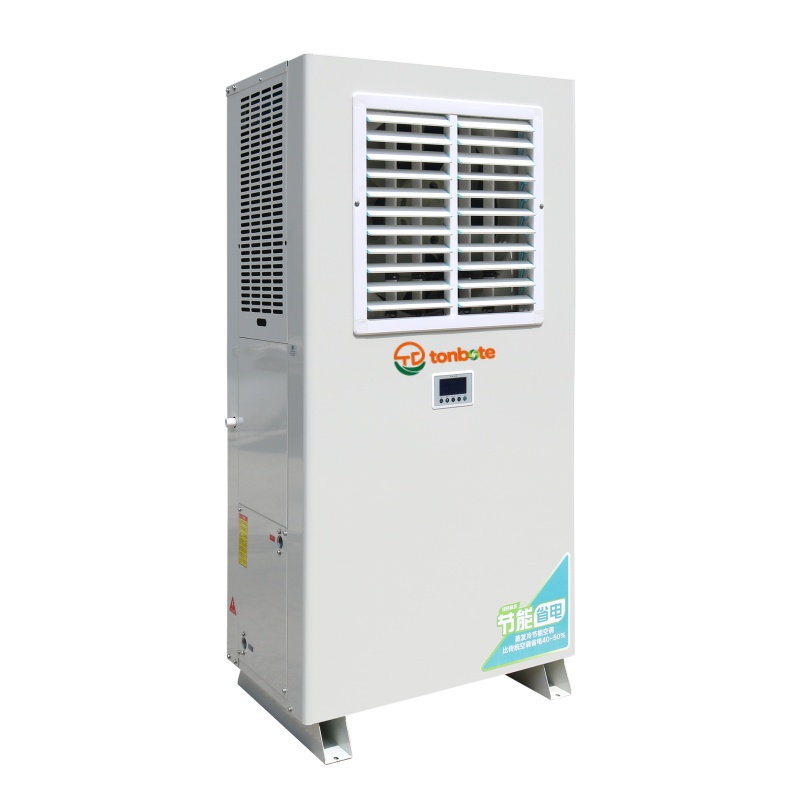
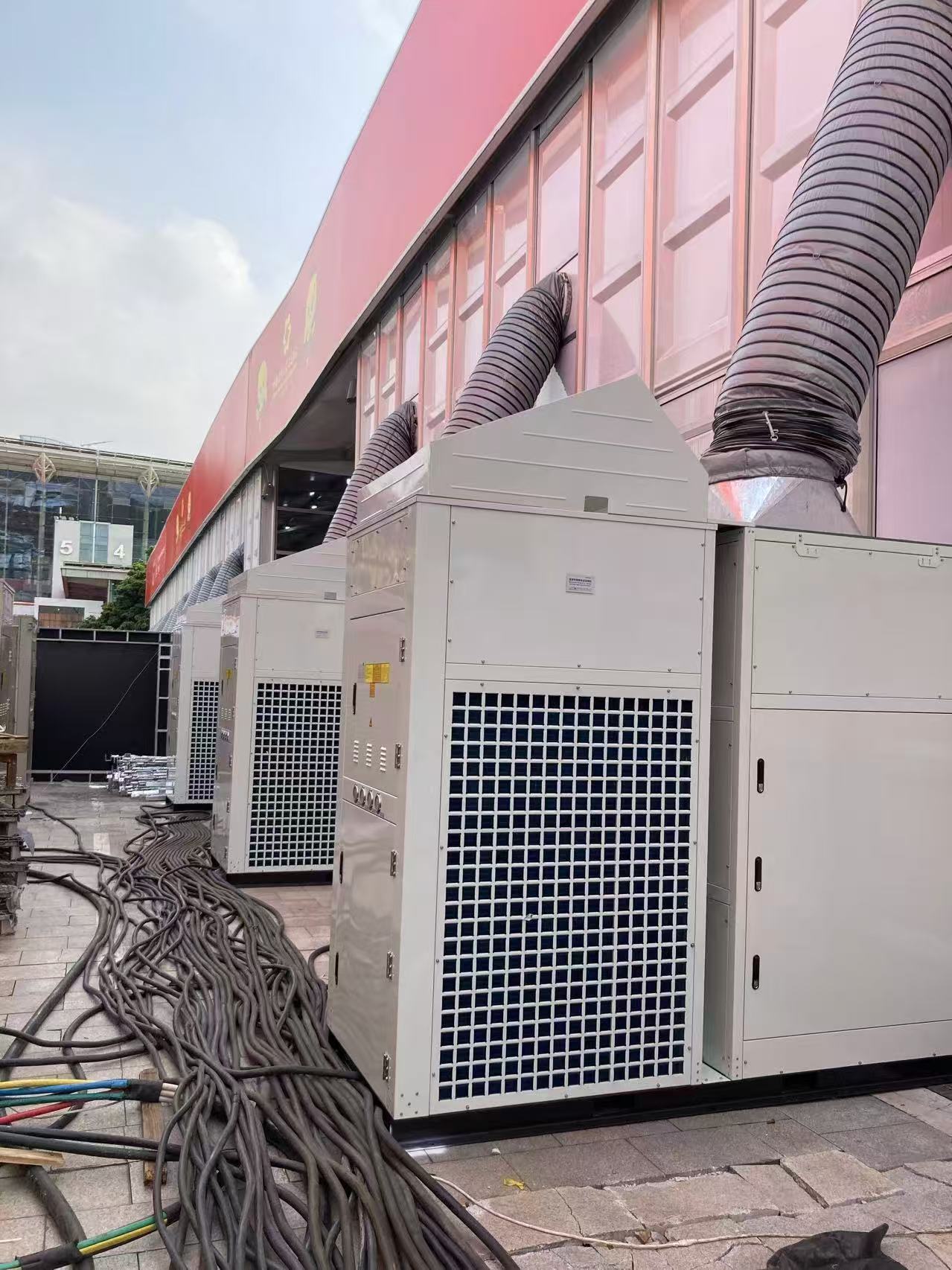
Compared with traditional industrial air conditioners, mobile industrial air conditioners do not require complex installation or the laying of pipelines. They can be put into use quickly by simply connecting to the power supply. The equipment can directly supply cold air to the personnel and equipment areas, achieving "targeted cooling and local refrigeration", thus avoiding energy waste.

Question: What value can mobile industrial air conditioning bring to enterprises?

Answer: It mainly manifests in the following aspects:

1. Reduce electricity costs

Local precise cooling replaces overall cooling, significantly reducing the area with ineffective cooling, enabling enterprises to effectively control their electricity expenses.

II. No installation required, flexible deployment

The equipment can be moved at any time according to the adjustment of the production line and the changes in the workshop layout, meeting the cooling requirements of different workstations.

III. Rapidly Improve Working Environment

High-temperature environments are likely to cause employee fatigue, reduced efficiency, and even potential safety hazards. Mobile industrial air conditioners can quickly lower the temperature at the workstations, enhancing the comfort of employees and improving production efficiency.

4. Short investment return cycle

There is no need for high installation costs or complex renovation projects. Enterprises can achieve cooling upgrades at a lower cost and obtain a higher return on investment.

Question: In which scenarios are mobile industrial air conditioners more suitable to be used?

Answer: These technologies can be widely applied in various scenarios such as mechanical manufacturing, hardware processing, electronic assembly, warehousing and logistics, injection molding workshops, welding areas, equipment machine rooms, and temporary operation zones.

Especially for leased factories, old factories, and production sites that cannot install central air conditioning, mobile industrial air conditioners can quickly solve the problem of high temperatures, enabling immediate purchase and use, as well as flexible movement as needed.

Conclusion

In the face of continuously rising energy costs and increasingly stringent production environment requirements, cooling measures for enterprises are no longer merely about improving comfort levels. They have become a crucial aspect that affects production efficiency and business profits. The drawbacks of traditional industrial air conditioning, such as high investment, high energy consumption, and low flexibility, are gradually becoming apparent. Meanwhile, mobile industrial air conditioning, with its advantages of energy saving, power saving, and flexible deployment, is helping more and more enterprises escape the heat problem and achieve the dual goals of cost reduction and efficiency improvement as well as green development.

Related News
Leave me a message
X
We use cookies to offer you a better browsing experience, analyze site traffic and personalize content. By using this site, you agree to our use of cookies.Privacy Policy
RejectAccept