
News

Rising Electricity Costs in Europe: How Can Factories Cut Cooling Costs?

2026-10-29 0 Leave me a message

As European manufacturers face ongoing pressure to manage electricity expenses, factory cooling has become an increasingly important part of operational cost control. During periods of high outdoor temperatures, industrial workshops may need additional cooling to maintain suitable working conditions. However, running cooling equipment for long hours can increase electricity consumption and place further pressure on production budgets.

How can factories maintain effective cooling while avoiding unnecessary energy use? A practical approach starts with selecting suitable equipment, targeting high-temperature work areas, and matching cooling capacity to actual operational needs.

Tongbaote Intelligent Technology Co., Ltd. provides industrial air conditioning solutions designed to support flexible cooling across factories, warehouses, and other demanding working environments.
Why Does Factory Cooling Increase Electricity Costs?
Industrial workshops often generate substantial heat from machinery, production processes, lighting, and outdoor temperatures. In large facilities, cooling every square meter to the same temperature may not always be necessary or cost-effective.

Traditional fixed cooling systems can be appropriate for whole-building temperature management, but some factories mainly need to address localized hot spots around production lines, machinery, or employee workstations.

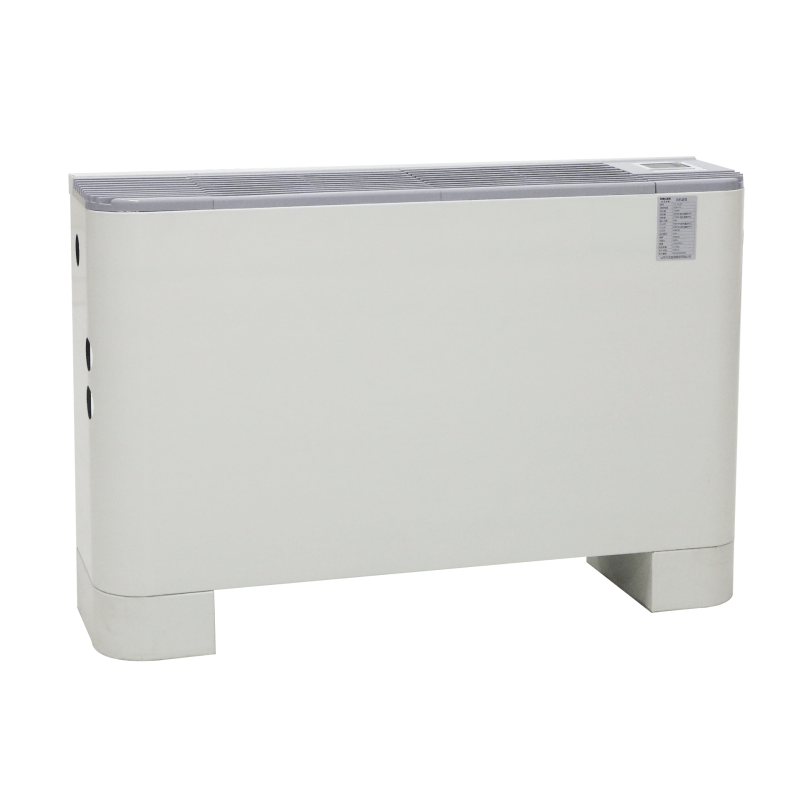
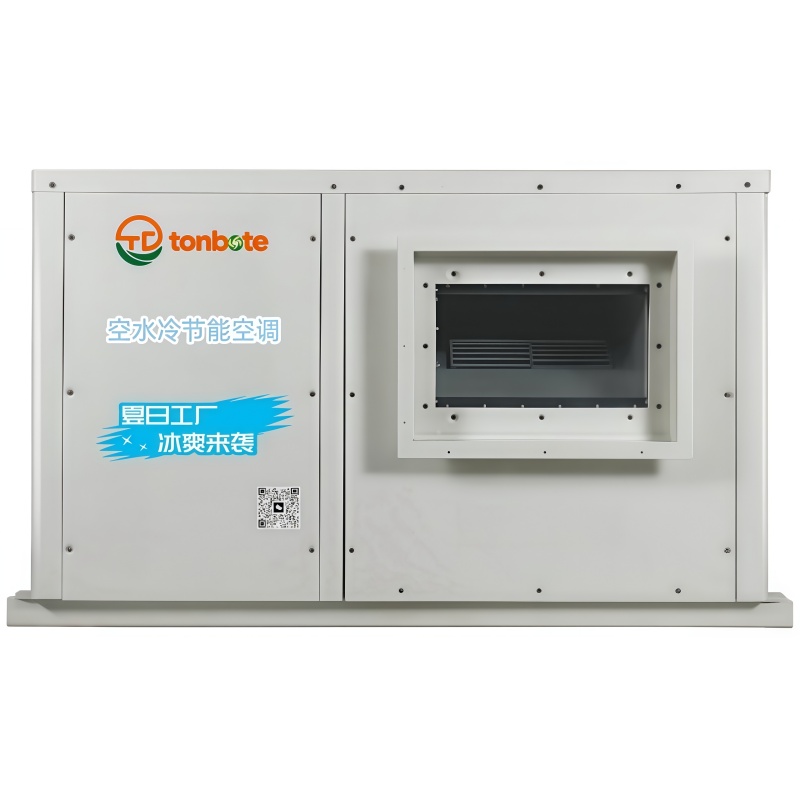
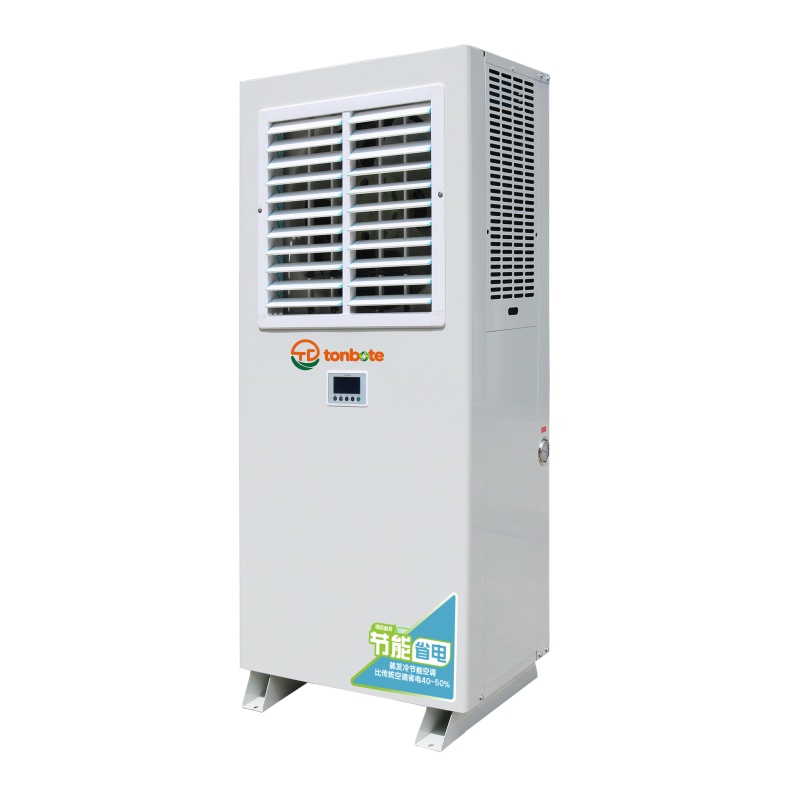
An appropriately selected Industrial Air Conditioner can help businesses address these specific cooling needs. By directing cool air toward priority areas, operators can focus cooling where it is needed rather than automatically expanding whole-building cooling.

Actual energy savings depend on equipment efficiency, operating hours, ambient conditions, heat loads, and how the system is used. Targeted cooling should therefore be evaluated against the factory's real operating requirements.
Industrial Air Conditioning: Focus on the Areas That Need Cooling
A well-planned Industrial Air Conditioning strategy begins with understanding how heat is distributed throughout the facility.

Before investing in new equipment, factory operators can:
-Identify the hottest workstations and production areas.
-Review machinery heat output and operating schedules.
-Improve ventilation and airflow where practical.
-Avoid cooling unoccupied areas unnecessarily.
-Select equipment with appropriate cooling capacity.
-Maintain filters, air inlets, and other components according to manufacturer recommendations.
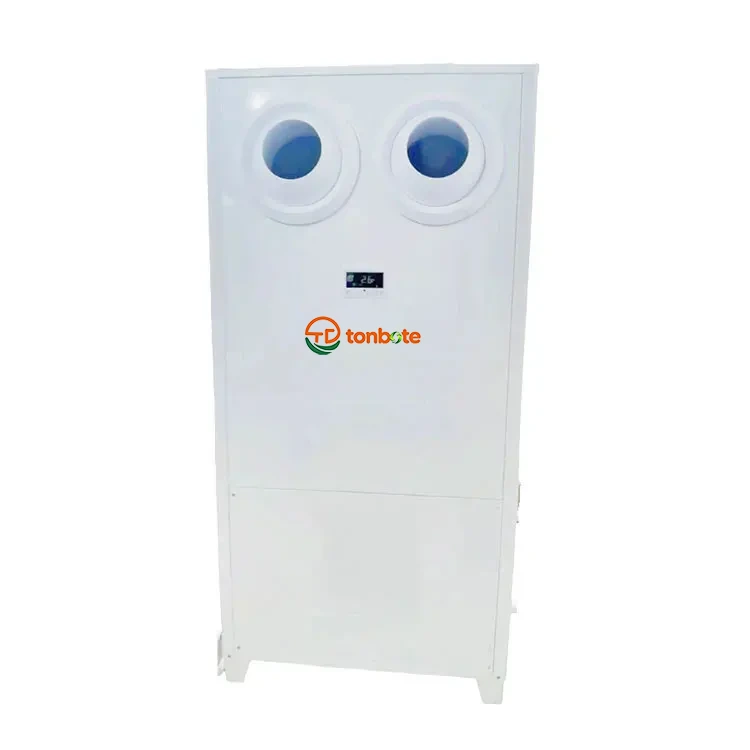
For factories with changing production layouts or temporary cooling needs, mobile industrial air conditioners can provide an additional option. Their wheeled design allows operators to reposition the equipment as cooling priorities change, subject to the model's specifications and operating requirements.
Choosing an Industrial Cooling System That Fits the Application
Selecting the right Industrial Cooling System requires more than comparing purchase prices. Cooling capacity, rated power, airflow, operating temperature range, and maintenance requirements all influence the overall cost of ownership.

For example, a factory with isolated hot spots may benefit from localized cooling equipment, while a large facility with a high overall heat load may require central HVAC, improved ventilation, or a combination of cooling approaches.

A suitable solution should be assessed according to the actual application rather than assuming that one type of equipment will work equally well in every environment.

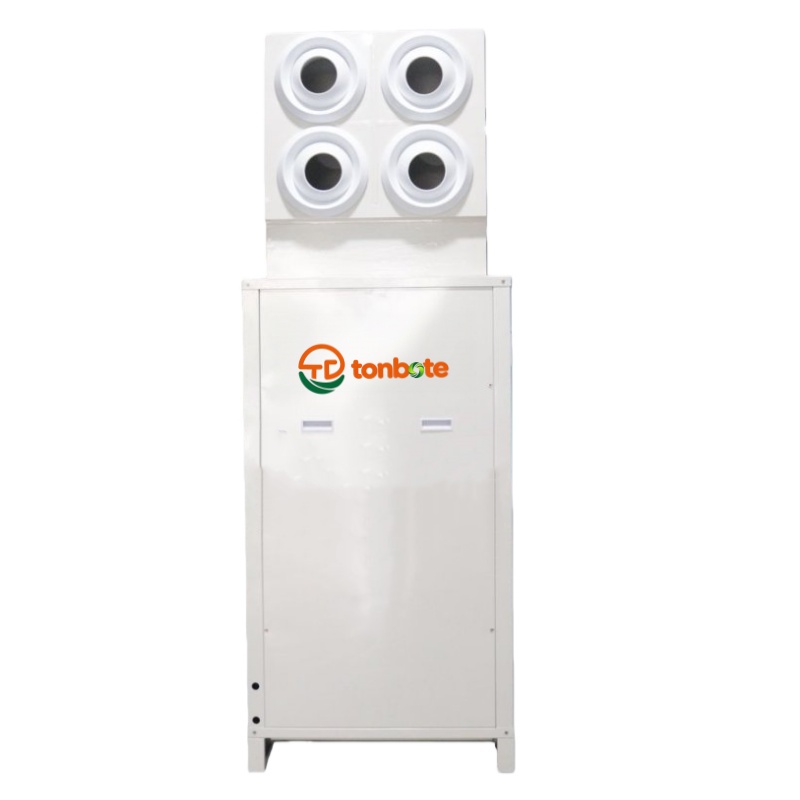
Tongbaote's mobile industrial air conditioner features a wheeled structure and multiple air outlets, allowing flexible positioning and directional airflow in suitable industrial applications. This can help operators direct cooling toward selected workstations without making extensive building modifications.
Industrial Cooling Equipment for Flexible Factory Operations
Reliable Industrial Cooling Equipment can help manufacturers manage localized heat while adapting to changing production requirements.

Mobile cooling units may be useful in:
-Manufacturing and assembly workshops
-CNC machining and equipment workstations
-Packaging and processing areas
-Warehouses and logistics facilities
-Temporary production lines
-Maintenance and repair areas
For facilities that do not require permanent cooling in every zone, mobility can improve operational flexibility. However, mobile units still consume electricity, and their cost-effectiveness depends on the cooling demand, equipment performance, and hours of operation.

Businesses should compare the expected running costs of available options before making a purchasing decision.
HVAC for Industrial Applications: A More Practical Cost-Control Strategy
An effective HVAC for Industrial strategy combines suitable equipment with careful energy management.

Factories seeking to control cooling costs can start by reviewing electricity consumption during production hours, identifying unnecessary cooling loads, and assessing whether their existing equipment is correctly sized for the application.

Additional measures may include maintaining condenser and evaporator components as instructed by the manufacturer, improving building insulation where appropriate, reducing avoidable heat gains, and using controls to align operation with actual occupancy and production schedules.

For facilities that need targeted cooling, a mobile industrial air conditioner may complement existing ventilation or central air conditioning. For buildings requiring consistent temperature control throughout a large area, a professionally designed industrial HVAC system may be more suitable.

The objective is not simply to reduce cooling time, but to deliver the required cooling performance with an appropriate level of energy consumption.
Helping European Factories Make Informed Cooling Decisions
Electricity prices and weather conditions can change, making it difficult for manufacturers to rely on a single cost-control measure. A more resilient approach combines suitable cooling equipment, effective maintenance, and ongoing monitoring of operating costs.

Tongbaote Intelligent Technology Co., Ltd. provides mobile industrial air conditioning products for suitable factory, warehouse, and industrial applications. With a focus on mobility and flexible airflow, these solutions offer another option for businesses evaluating how to address localized cooling requirements.

By assessing real heat loads, verifying equipment specifications, and choosing a solution that matches operational needs, factories can make more informed decisions about cooling performance and energy costs.

Looking for a flexible industrial cooling solution? Contact Tongbaote to discuss your factory layout, cooling requirements, and suitable equipment options.

Related News
Leave me a message
X
We use cookies to offer you a better browsing experience, analyze site traffic and personalize content. By using this site, you agree to our use of cookies. Privacy Policy
RejectAccept