News

The race towards "dual carbon" is accelerating, and dual-source heat pumps have become a "new engine" for industrial enterprises' low-carbon transformation.

2026-04-01 0 Leave me a message

Under the backdrop of the continuous advancement of the "dual carbon" goal, the industrial sector, as the key sector for energy consumption and carbon emissions, is experiencing a profound green transformation wave. 

How to achieve energy conservation and carbon reduction while ensuring production efficiency has become a core issue that many enterprises urgently need to solve. In this context, dual-source heat pump technology, which combines efficient energy saving and clean energy supply advantages, as well as the corresponding dual-source heat pump energy-saving system, is accelerating its way to the forefront of application and becoming an important "new engine" for industrial enterprises' low-carbon transformation, providing core support for various energy-saving solutions for central air conditioning systems.


Policy-driven and cost pressure combined, the demand for industrial energy conservation continues to emerge. 

In recent years, the national level has continuously strengthened the policy orientation for energy conservation and emission reduction, introducing a series of policies such as the "Energy Conservation and Emission Reduction Action Plan for 2024-2025", from energy consumption dual control to carbon emission management, promoting industrial enterprises to accelerate their green upgrading pace, and providing policy guidance for various energy-saving projects such as central air conditioning energy-saving renovation plans for industrial parks, factory central air conditioning energy-saving renovation, and hotel central air conditioning energy-saving renovation. 

At the same time, fluctuations in energy prices and rising energy costs have also forced industrial enterprises, hotels, and other energy-consuming entities to seek more efficient and stable energy solutions. 

The market demand for industrial building air conditioning energy-saving systems, industrial central air conditioning energy-saving solution design, and hotel heat pump energy-saving system solutions continues to rise. 

Under this dual drive, traditional high-energy-consuming air conditioning equipment is gradually unable to meet the development needs, and alternative energy-saving technologies centered on dual-source heat pumps are accelerating their penetration.

The rise of dual-source heat pump technology reshapes the industrial and commercial energy consumption model. 

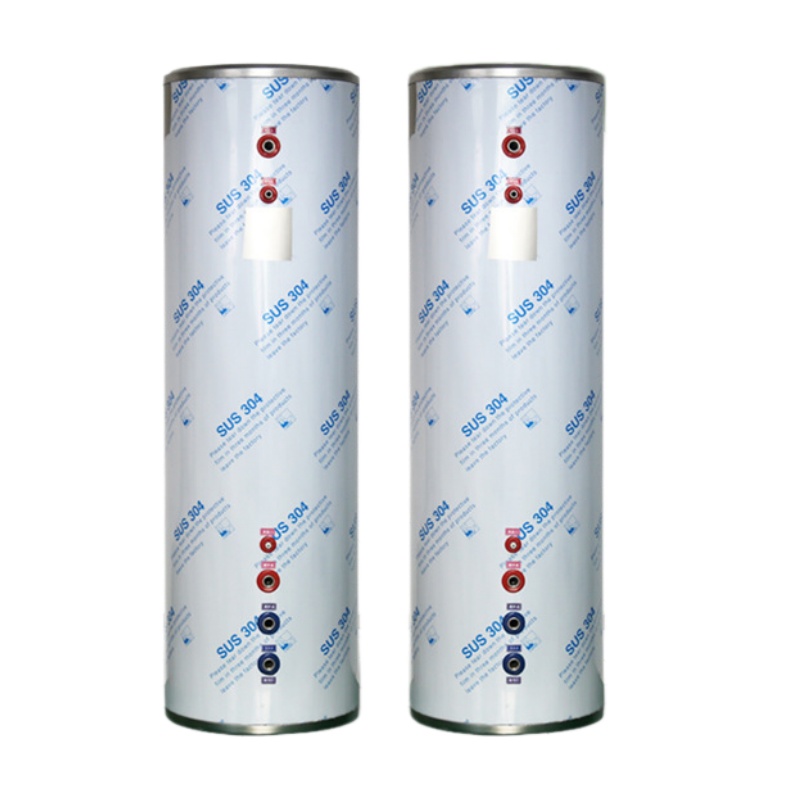
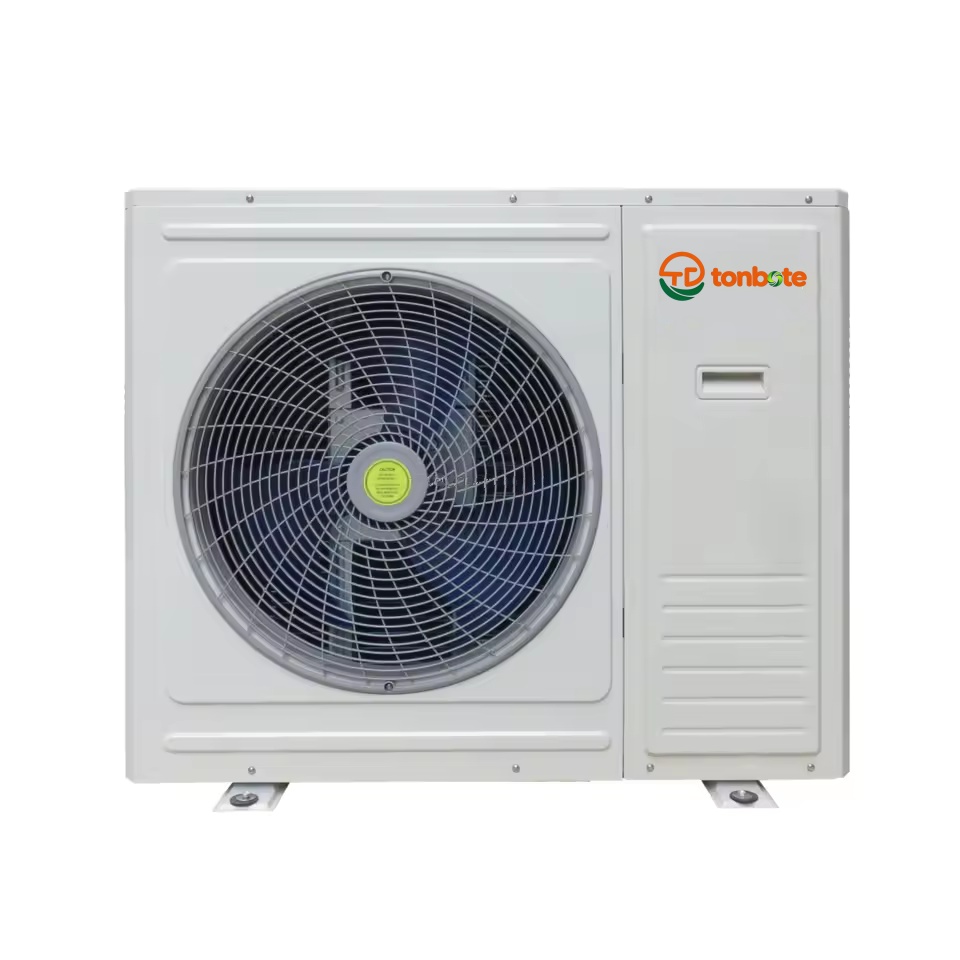
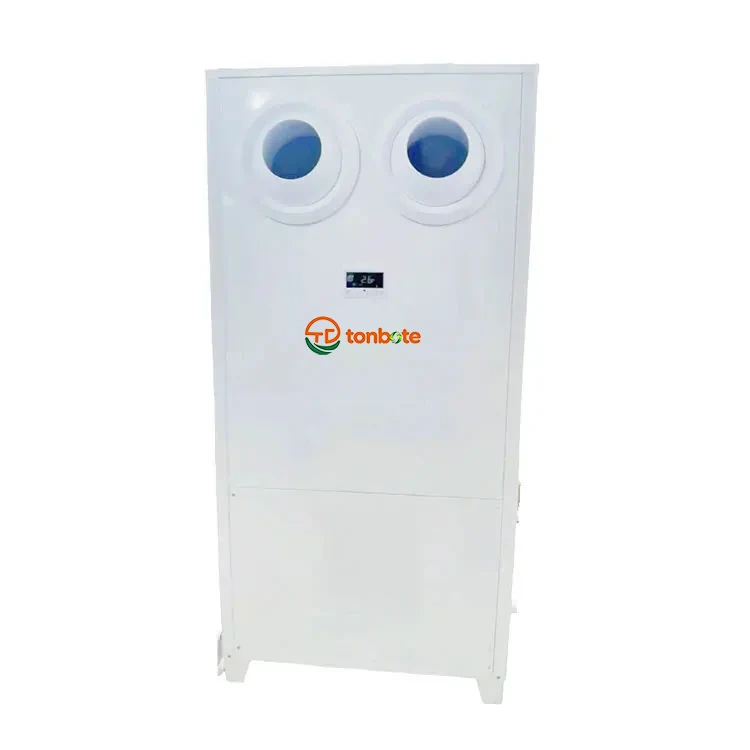
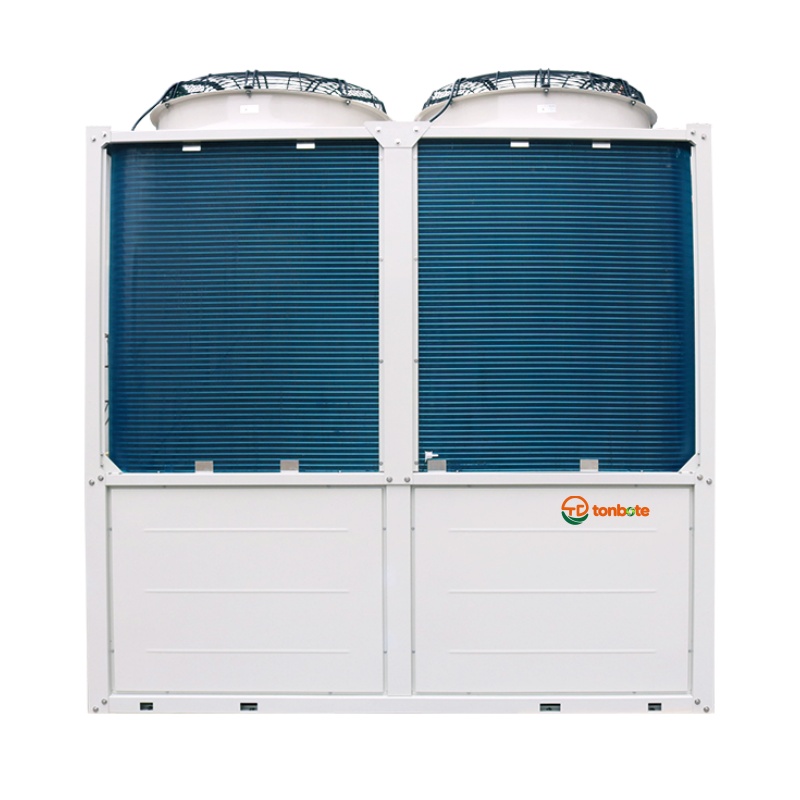
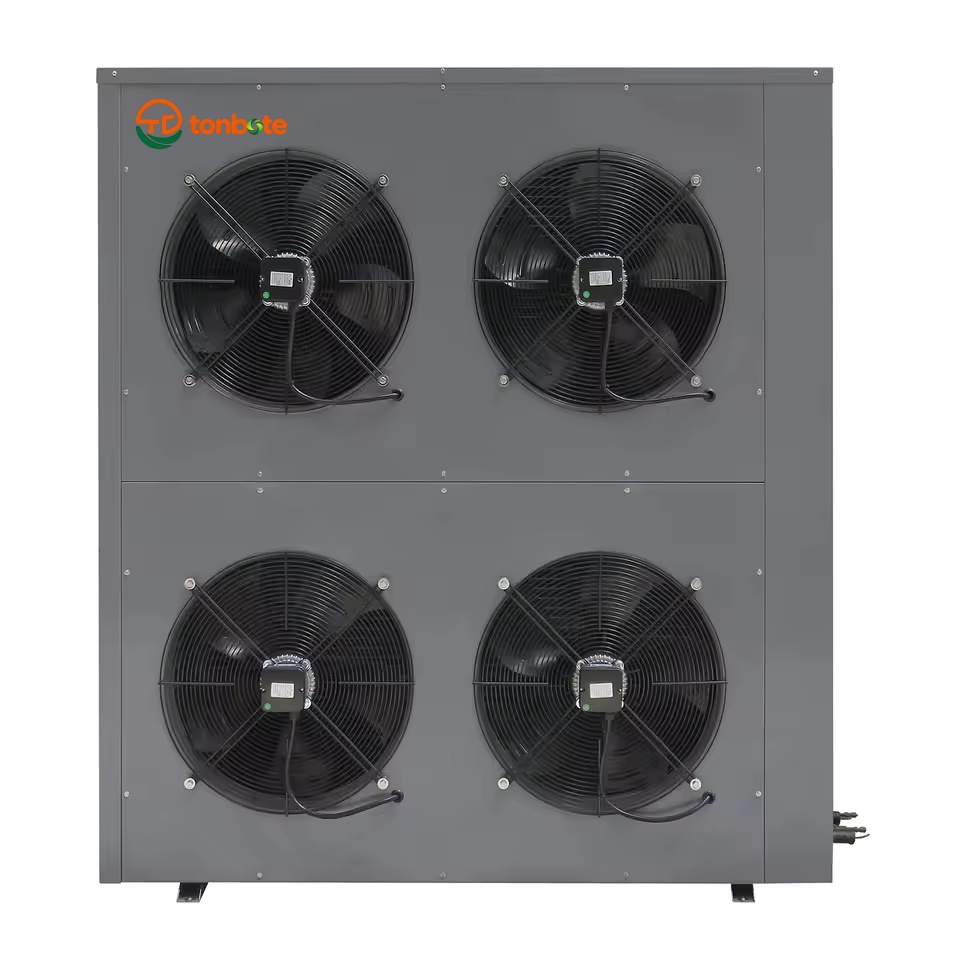
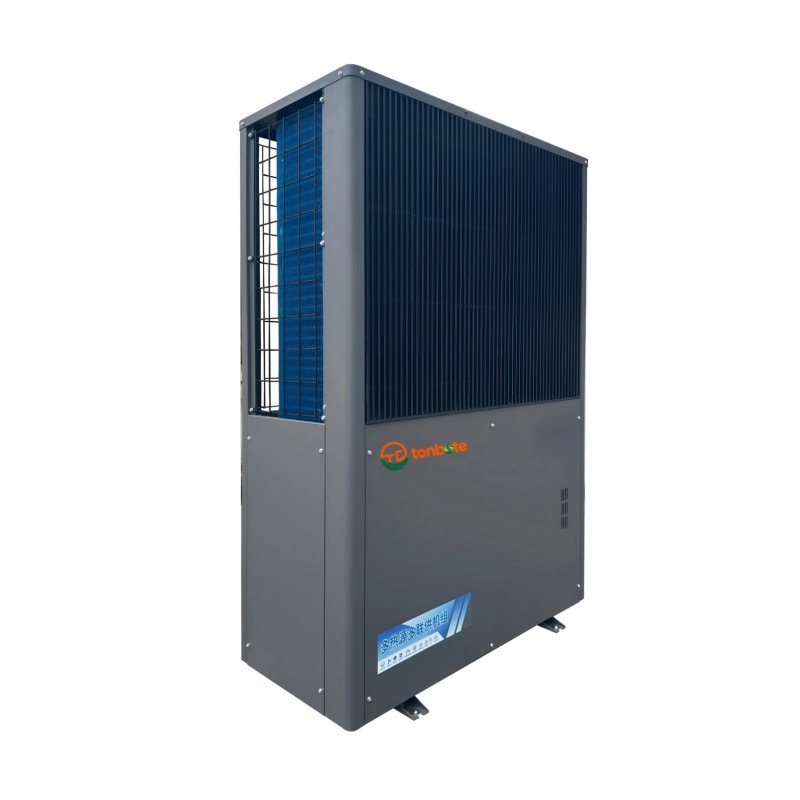
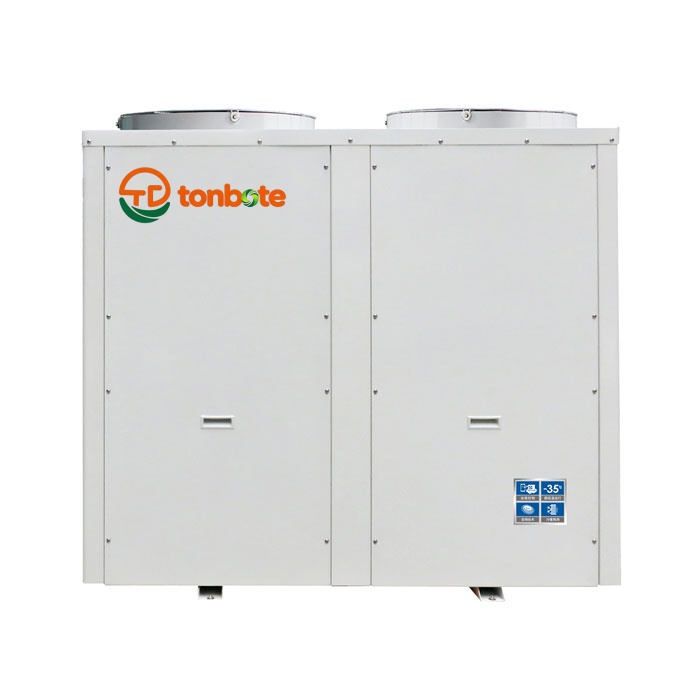
The dual-source heat pump system, through intelligent switching between air source and water source heat sources, combined with waste heat recovery and energy cascade utilization, realizes an integrated solution for cooling, heating, and hot water supply in a three-in-one configuration, perfectly adapting to the application requirements of three-in-one heating pumps. 

Compared to traditional single-energy systems, it can maintain efficient operation under different climates and working conditions, significantly improving the overall energy efficiency level.

Especially in industrial scenarios, dual-source heat pumps can effectively recover waste heat resources generated during production, converting "waste energy" into "usable energy", not only reducing energy waste but also significantly reducing carbon emissions.

According to industry estimates, a properly configured dual-source heat pump system can achieve overall energy savings of 30% to 50%, and some integrated photovoltaic direct-drive models can increase energy efficiency by 60%, bringing considerable economic and environmental benefits to enterprises and hotels, and helping to maximize the benefits of hotel central air conditioning energy-saving renovation and industrial central air conditioning energy-saving solution design.

Intelligent empowerment, creating an efficient and collaborative energy system. 

With the development of AI and Internet of Things technologies, dual-source heat pump systems are moving towards intelligent upgrades, combined with the AI intelligent control energy-saving system for central air conditioning, through real-time monitoring of environmental parameters and energy demand, automatically optimizing operation strategies to achieve multi-energy coordination scheduling and dynamic adjustment. 

This "smart energy use" model not only enhances system stability but also further explores energy-saving potential, promoting industrial energy management to shift from "passive control" to "active optimization".

Towards a green future, dual-source heat pumps release greater potential.

As the "dual carbon" goal is further advanced, the demand for green and low-carbon technologies from industrial enterprises, hotels, and other energy-consuming entities will continue to grow. 

As a comprehensive solution integrating energy conservation, emission reduction, and economic benefits, the dual-source heat pump energy-saving system is entering an important development opportunity period and becoming a core component of central air conditioning energy-saving system solutions and overall central air conditioning energy-saving renovation plans.

Industry insiders point out that in the future, as technology continues to evolve and the application scale expands, dual-source heat pumps are expected to play a more central role in industrial energy systems, helping enterprises achieve the transition from "high energy consumption" to "high efficiency" and from "high emissions" to "low-carbonization", and becoming an important supporting force for promoting the green upgrade of industries.

At this moment when the "carbon neutrality" race is accelerating, whoever can be the first to embrace the efficient clean energy technology centered on dual-source heat pumps will be able to seize the initiative in the new round of industrial transformation. 

The dual-source heat pump system is becoming a key choice for an increasing number of industrial enterprises and hotels to move towards a low-carbon future.

Exclusive energy-saving solution.

Related News
Leave me a message
X
We use cookies to offer you a better browsing experience, analyze site traffic and personalize content. By using this site, you agree to our use of cookies. Privacy Policy
Reject Accept